Luxury Wilderness Expeditions USA: Complete Definitive Guide & Analysis
The intersection of extreme remote access and uncompromising comfort represents one of the most operationally complex segments of the modern travel and outdoor industry. High-end wilderness journeys in North America have evolved far beyond the classic African safari template or the traditional guided lodge stay. Today, these operations demand a delicate balance between uncompromising backcountry logistics, stringent environmental stewardship, and the subtle art of delivering uncompromised hospitality in environments actively hostile to infrastructure. Understanding this sector requires examining how technical outdoor expertise, aviation logistics, specialized permitting, and luxury service standards converge across North America’s vast public lands.
Navigating these environments requires navigating a complex web of regulatory frameworks, seasonal microclimates, and logistical bottlenecks. Whether managing high-altitude camps in the Alaskan Range, private river charters deep in the Grand Canyon, or mobile canvas encampments across the Great Basin, operators function less like traditional hoteliers and more like expeditionary logistics firms. Quality in this space rarely rests on surface-level amenities alone; it hinges on the invisible reliability of the support systems that keep guests safe, comfortable, and immersed in remote landscapes without leaving a trace.
This analysis provides an exhaustive breakdown of high-end backcountry operations across the United States. It explores the structural mechanics, financial models, risk management frameworks, and operational trade-offs that define the industry. From the historical evolution of private backcountry guiding to the granular decision logic required to plan a multi-day remote itinerary, this guide serves as a definitive reference for industry analysts, expedition planners, and discerning travelers seeking to understand the reality behind high-end wilderness access.
Understanding “Luxury Wilderness Expeditions USA.”
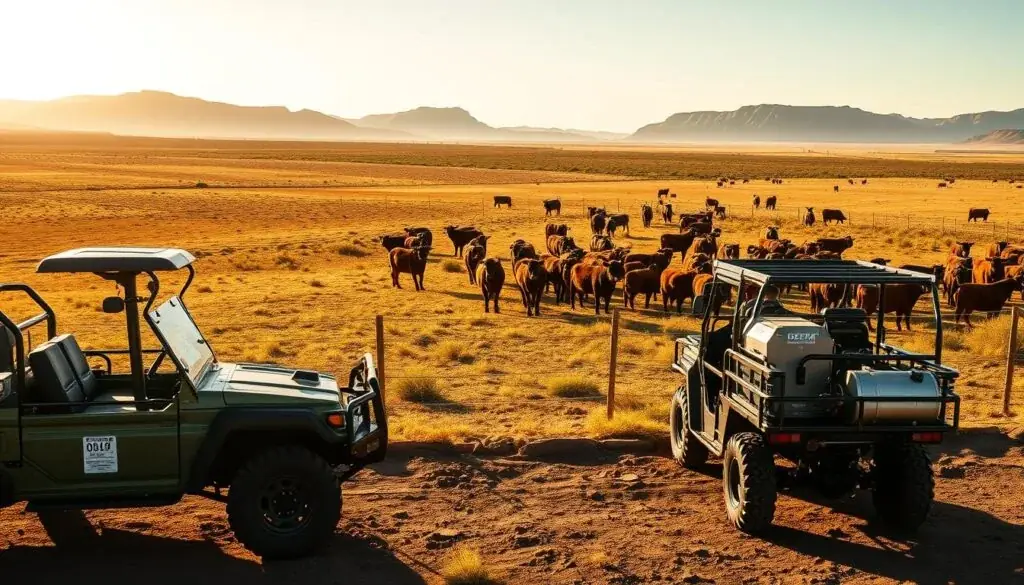
The term luxury wilderness expeditions USA is frequently misunderstood, conflated with stationary high-end resorts or standard guided backpacking trips that simply pack higher-grade provisions. In reality, a true remote expeditionary operation represents a distinct operational category.
To clearly understand the high-end wilderness taxonomy, hospitality in remote settings can be divided into two core operational models:
-
Stationary Resorts and Lodges: Built upon fixed infrastructure and municipal or micro-grid utilities. They rely on road access or commercial airstrips, employ standard hotel and hospitality staff, and operate within a fixed geographical footprint with controlled environmental impacts.
-
Mobile and Deep-Field Expeditions: Built entirely on off-grid, temporary infrastructure. Access relies on bush planes, helicopters, motorized support rafts, or horse pack trains.
At its core, high-end remote travel in the United States operates within a paradox: providing refined comfort—such as chef-prepared hot meals, private climate-controlled shelter, hot water systems, and expert field guidance—while operating in environments where infrastructure is legally prohibited or geographically impossible.
Multi-perspective analysis reveals three core pillars that define true backcountry luxury operations:
-
Logistical Rigor: The capacity to deliver fresh food, cold storage, satellite communications, medical capabilities, and shelter to places accessible only by foot, pack stock, raft, bush plane, or helicopter.
-
Regulatory Alignment: Operating strictly within the rules of the Wilderness Act of 1964, National Forest Service permits, Bureau of Land Management (BLM) commercial use authorizations, and local tribal authorities.
-
Risk Abatement: Maintaining advanced wilderness medical capabilities (WFR/WAFA certifications), evacuation insurance protocols, and redundant communication lines in zones with zero cellular coverage.
Deep Contextual Background
The historical evolution of private backcountry access in North America is rooted in nineteenth-century survey expeditions, early hunting safaris in the American West, and the establishment of the National Park System. Early wilderness travel was either utilitarian—focused on resource extraction and mapping—or exclusive to wealthy patrons who hired teams of local wranglers, packers, and guides to build elaborate semi-permanent camps in places like the Adirondacks, the Yellowstone basin, and the High Sierra.
The evolutionary progression of private wilderness access developed through distinct historical phases:
-
Late 1800s: Early private surveys and sporting expeditions led by regional trackers and outfitters.
-
1910s–1930s: The emergence of the Dude Ranch era and backcountry horse packers catering to extended Western stays.
-
1964: Enactment of the federal Wilderness Act, establishing strict leave-no-trace permit regimes and prohibiting permanent infrastructure.
-
1980s–1990s: The commercialization of professional river running, mountaineering, and deep-field wilderness guiding.
-
2010s–Present: Modern high-end expeditionary logistics combining satellite communication, renewable energy, and bespoke hospitality.
During the 1920s and 1930s, the “dude ranch” movement formalized backcountry guest hospitality, blending comfortable Western accommodations with multi-day pack trips into remote national forests. However, the modern era of high-end expeditions was truly forged following the passage of the Wilderness Act in 1964.
Conceptual Frameworks and Mental Models
Evaluating and designing deep-field wilderness itineraries requires structured mental models to balance comfort against environmental and operational constraints. Three primary frameworks guide modern expedition managers:
1. The Comfort-Mobility-Access Trade-off Matrix
This framework dictates that in remote expedition planning, an outfit can optimize for only two of three variables at any given time:
-
Comfort: The weight, scale, and sophistication of camp infrastructure (e.g., walk-in tents, real mattresses, flush toilets, fresh food refrigeration).
-
Mobility: The speed at which a camp can be disassembled, transported, and reassembled across changing terrain.
-
Deep Access: The distance and isolation of the site from established roads, airstrips, or supply hubs.
If an itinerary demands maximum deep access and high mobility (e.g., a fast-moving traverse across Alaska’s Brooks Range), comfort must lean toward technical minimalism. If maximum comfort and deep access are non-negotiable, mobility drops, requiring a stationary base camp supplied by fixed-wing aircraft or heavy pack trains.
2. The Concentric Zones of Isolation (CZI) Model
This model categorizes wilderness environments based on their evacuation and resupply friction, which directly dictates the necessary support systems:
-
Zone 1 (Contiguous/Frontcountry Boundary): Road access within 1 hour; immediate emergency services available.
-
Zone 2 (Near-Backcountry): Accessible via 2–4 hours of foot, stock, or off-road vehicle travel; ground evacuation feasible within half a day.
-
Zone 3 (Deep Wilderness): Non-motorized zones requiring 6–24 hours of foot/stock travel, or private aviation; air evacuation subject to weather delays.
-
Zone 4 (Extreme Isolation): Arctic tundra, offshore islands, or unmapped canyons; evacuation delays can exceed 48 hours due to terrain or climate.
3. The Invisible Infrastructure Ratio (IIR)
The IIR calculates the ratio of support personnel and logistical prep hours required per guest-day to create a frictionless experience. In high-end operations, this ratio often exceeds 3:1 (three support staff members—including wranglers, camp chefs, field guides, and logistics coordinators—for every single guest). Understanding this ratio prevents the common mistake of comparing field expedition costs to fixed-property room rates.
Key Categories and Operational Variations
High-end remote expeditions in North America fall into distinct operational categories, each defined by terrain, mode of transport, regulatory hurdles, and physical demands.
| Expedition Type | Primary Transport | Typical Regional Hubs | Key Operational Friction |
| Fly-in Bush Base Camps | Bush planes (Otter/Cessna) | Alaska, Idaho Backcountry | Weather delays, weight caps |
| Luxury River Charters | Oar rigs, motorized rafts | Grand Canyon, Salmon River | Strict river permit limits |
| Pack Train Expeditions | Horses, mules | Wyoming, Montana, Colorado | Stock care, trail access |
| Yacht-to-Shore Heli-Access | Motor yachts, helicopters | Southeast Alaska, Maine | Marine/air weather windows |
| Overland 4×4 Off-Grid | Customized high-clearance 4×4 | Utah, Nevada, Arizona | Vehicle mechanical failures |
| Winter Heli-Ski Enclaves | Helicopters, snow cats | Utah, Alaska, Wyoming | Avalanche hazards, visibility |
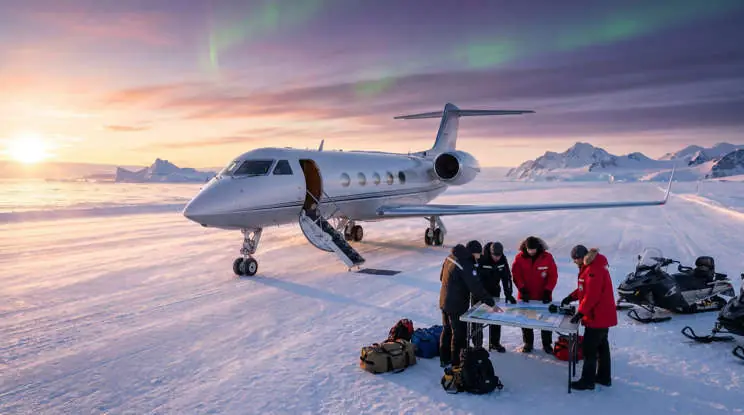
1. Fly-in Bush Base Camps (e.g., Alaskan Interior, Wrangell-St. Elias)
These operations deploy fully equipped, semi-temporary tented villages into unpopulated river valleys or glacial moraines using bush planes equipped with tundra tires, floats, or skis.
-
Trade-offs: Offers unmatched wilderness isolation and high comfort at a fixed location, but guests are highly vulnerable to weather delays that can ground aircraft for days.
2. Luxury River Charters (e.g., Middle Fork Salmon, Snake River, Grand Canyon)
Utilizing heavy-load oar rafts or motorized support craft, these expeditions transport walk-in canvas tents, elevated cots, portable kitchen setups, and fresh culinary supplies along protected river corridors.
-
Trade-offs: Exceptional camp comfort and seamless day-to-day camp moves; however, routes are completely linear and dictated by river water levels and federal launch dates.
3. Traditional Pack Train Expeditions (e.g., Greater Yellowstone Ecosystem, Bob Marshall Wilderness)
Built on historic Western horse packing methods, these trips utilize strings of mules and horses to carry glamping-style wall tents, wood-burning stoves, and fresh provisions deep into roadless national forests.
-
Trade-offs: Highly authentic, allowing access to steep mountain passes unsuitable for vehicles or aircraft; requires guests to tolerate long hours in the saddle.
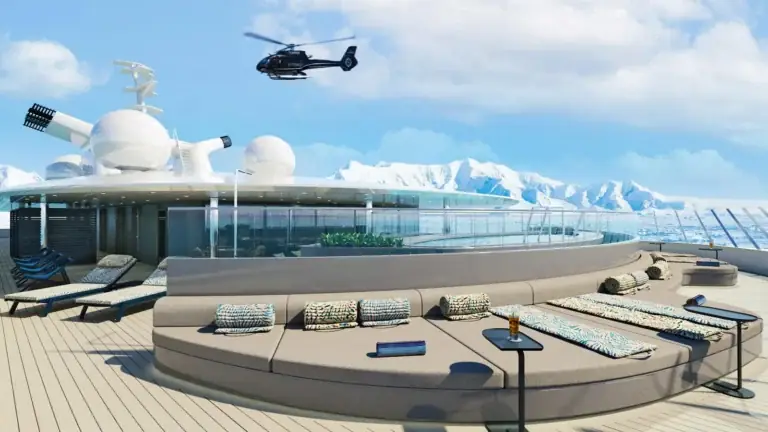
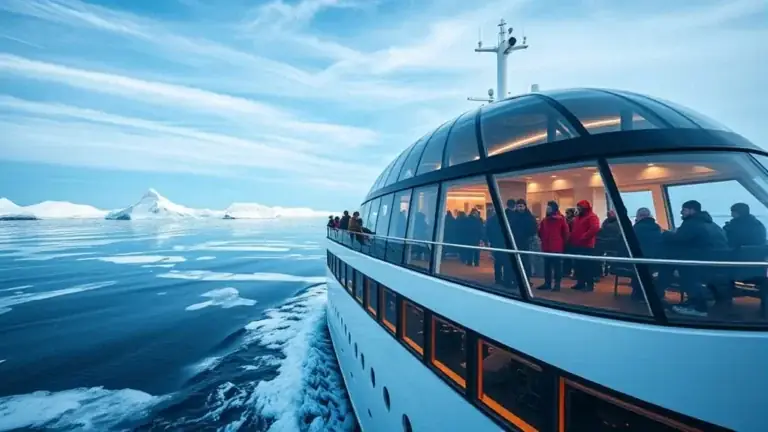
4. Yacht-Assisted Coastal Expeditions (e.g., Inside Passage, Prince William Sound)
Combining private luxury vessels as mobile floating base camps with skiffs, kayaks, or helicopters to access wild, roadless shorelines and glaciers.
-
Trade-offs: Provides stable, high-end maritime accommodations and instant mobility along complex coastlines, but lacks the grounded experience of sleeping deep in landlocked wilderness.
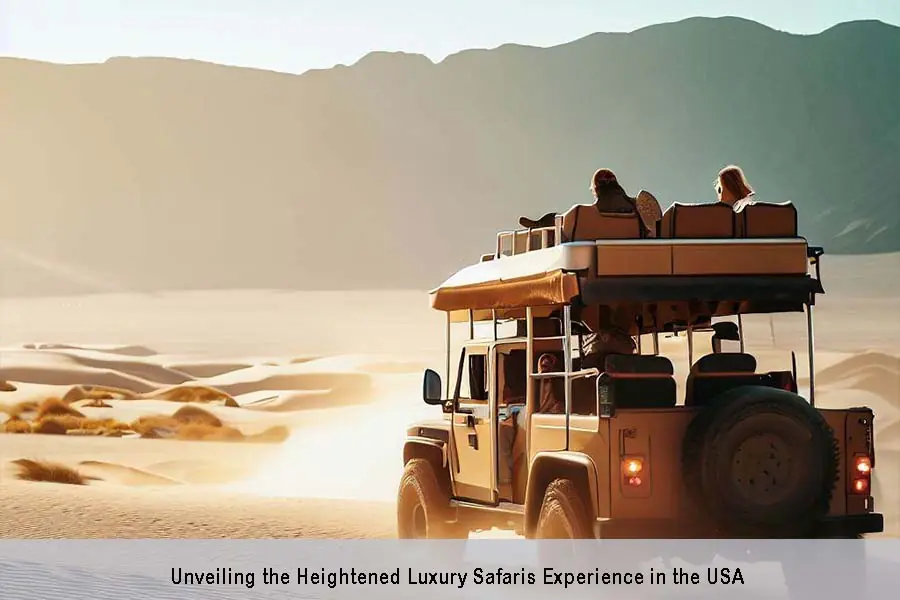
5. Overland High-Clearance Expeditions (e.g., Canyonlands, Mojave Desert, Great Basin)
Utilizing custom-engineered off-road support vehicles to carry solar-powered refrigeration, luxury canvas shelters, and expert field teams across remote desert terrain.
-
Trade-offs: Excellent geographical range and ability to carry heavy equipment; limited to areas where vehicular tracks are legally permitted.
6. High-Altitude and Glacial Expeditions (e.g., Cascade Range, Alaska Range)
Tailored for active guests seeking technical peaks or glacier traverses, supported by professional mountain guides, private air-transfers, and heated dome structures.
-
Trade-offs: Delivers extreme adventure and unparalleled views; requires high guest physical fitness and carries inherent alpine hazard risks.
Detailed Real-World Scenarios
To understand how operational theory translates into practice, consider the following detailed operational scenarios, highlighting logistical choices, risks, and second-order effects.
Field execution for fly-in base camps follows a sequential operational flow: initial airstrip staging is followed by precise payload optimization, execution of flight windows during weather breaks, field camp deployment, and continuous weather contingency management.
Multi-Day Fly-in Arctic Enclave (Brooks Range, Alaska)
-
Context: A private party of six books a seven-day Arctic wildlife and landscape expedition in late August, timed with the caribou migration. Access requires a commercial flight to Fairbanks, a charter to Bettles, and bush plane shuttles (de Havilland Otter on tundra tires) into a remote valley.
-
Constraints: Strict weight limits per aircraft (under 1,200 lbs including passengers and gear); absolute zero-trace requirements in Gates of the Arctic National Park; zero cell coverage; unpredictable early autumn snowstorms.
-
Operational Sequence:
-
Pre-staging gear in Bettles 48 hours prior.
-
Flying a two-person scout and camp crew ahead to establish the dome shelters and set up bear-fencing perimeters around the kitchen site.
-
Staggering guest flights across a 4-hour window to account for shifting mountain weather over the Brooks Range.
-
-
Failure Mode & Mitigations: An unseasonable low-pressure system drops cloud ceilings, grounding aircraft for 48 hours during planned extraction.
-
Mitigation: The team carries mandatory 4-day redundant provisions, satellite broadband (Starlink/Iridium) for real-time weather tracking, and redundant heating fuel.
-
Private Grand Canyon River Charter (Colorado River, Arizona)
-
Context: A family group charters a private 10-day motorized or rowed trip down 225 miles of the Colorado River, demanding private chef meal service and private tent setups at each beach camp.
-
Constraints: Rigid NPS permit start dates; strict sanitation regulations requiring all solid human waste to be packed out; intense ambient heat (exceeding 105°F in canyon bottoms); delicate riparian ecosystems.
-
Decision Logic: The operator chooses a hybrid fleet—two large motorized pontoon rafts to carry heavy kitchen gear, ice vaults, private toilet facilities, and guest canvas tents, paired with small oar craft for interactive side-canyon exploration.
-
Second-Order Effects: The massive load weight increases raft draft, requiring senior river guides with precise knowledge of low-water line choices to prevent grounding on granite ledges.
High-Country Mule Pack Expedition (Absaroka-Beartooth Wilderness, Montana)
-
Context: A corporate team requests a five-day wilderness trout fishing and horse-riding traverse across high-altitude plateau country (above 9,000 feet).
-
Constraints: Narrow mountain trails with severe drop-offs; unpredictable high-altitude thunderstorms; apex predator (grizzly bear) territory; physical limitations of pack stock.
-
Execution Strategy: A ratio of two pack mules per guest is established. Camp is pre-set by an advance wrangler team using a separate trail, ensuring that when guests arrive on horseback, canvas wall tents with cot bedding and hot water washing stations are operational.
-
Risk Profile: Stock injury or panics caused by bear encounters. The head guide carries satellite tracking, satellite messaging, and bear spray deployment protocols, maintaining fixed picket-line security for animals away from guest quarters.
Planning, Cost, and Resource Dynamics
Executing top-tier backcountry trips requires significant capital expenditure, complex supply chains, and specialized labor. Unlike traditional hospitality, where variable costs decrease with scale, remote wilderness operations face compounding variable costs for every additional guest due to transport weight limits and strict guide-to-guest regulatory ratios.
| Cost Category | Cost Range (Per Guest/Day) | Primary Drivers & Variable Factors |
| Private Aviation & Logistics | $1,200 – $4,500 | Fuel surcharges, repositioning flights, aircraft type |
| Specialized Field Staff | $600 – $1,500 | WFR/WEMT certification, guide ratios, chefs |
| Permitting, Public Land Fees | $150 – $600 | Commercial Use Authorization (CUAs), lottery fees |
| Camp Infrastructure & Gear Dep. | $300 – $1,000 | Heavy-duty canvas, solar microgrids, satellite links |
| Food, Culinary Supplies, Cold-Chain | $200 – $500 | Fresh organic sourcing, vacuum-sealing, dry ice |
| Medical, Safety & Evacuation Cover | $100 – $350 | Satellite SOS services, private air-ambulance policies |
Capital Allocation Dynamics
-
Transport Repositioning Costs: A significant portion of guest fees goes toward non-revenue operational movements—flying bush planes empty to a remote strip for staging, or trailering horse stock 500 miles to a trailhead.
-
Permit and Compliance Surcharges: Federal land agencies charge commercial outfits fees based on gross revenues (typically 3% to 5%), alongside fixed per-head daily use fees and mandatory land preservation donations.
-
Labor Ratios: Quality operations maintain low guide-to-guest ratios (often 1:2 or 1:3). Skilled guides holding Wilderness Emergency Medical Technician (WEMT) or American Mountain Guides Association (AMGA) certifications command premium daily rates, reflecting their critical role in risk management.
Tools, Strategies, and Support Systems
Delivering high-end comfort in raw environments relies on a specific set of tools and operational strategies designed to operate completely off-grid. The modern field infrastructure stack is grouped across three core technical pillars:
-
Power and Communications: High-capacity solar microgrids paired with LiFePO4 energy storage, supplemented by portable Starlink units and handheld Iridium satellite communicators.
-
Water and Waste Management: High-volume gravity-fed filtration and UV sterilization units, paired with sealed, regulatory-compliant Leave-No-Trace containment systems.
-
Culinary and Cold-Chain Storage: Multi-layer commercial vacuum sealing, dry-ice stratification within heavy-duty rotomolded coolers, and portable propane culinary setups.
Additional field tools essential to high-end wilderness deployment include:
-
Modular Geodesic Domes and Canvas Wall Tents: Structural shelters designed to withstand 50-knot winds and heavy snow loads while offering standing headroom, wooden flooring, and internal stove heating.
-
Field-Ready Wilderness Medical Kits: Comprehensive emergency medical setups containing diagnostic tools, trauma supplies, advanced wound care, oxygen, and prescription protocols overseen by remote medical directors.
Risk Landscape and Failure Modes
Operating in remote North American wilderness carries inherent risks. High-end operations manage these risks through structured safety protocols rather than relying on rapid external aid.
The operational risk taxonomy spans four major threat vectors:
-
Environmental Hazards: Rapid weather swings, flash flooding, alpine windstorms, and wildfires.
-
Mechanical and Transport Failures: Aircraft groundings, river craft punctures, or vehicle axle breakage.
-
Medical Emergencies: Traumatic injuries, high-altitude pulmonary edema, or severe acute illness far from clinical care.
-
Regulatory Violations: Unintentional boundary trespass, permit non-compliance, or emergency land closures.
Risk Taxonomy and Compounding Failures
-
Weather Entrapment: A sudden storm can ground bush planes or block mountain passes with snow. In high-end contexts, this threatens guest safety and creates cascading delays for subsequent bookings.
-
Compounding Effect: Extended delays strain food and fuel reserves, increasing guest anxiety and testing staff endurance.
-
-
Medical Cascades in Isolated Zones: A minor injury (e.g., a twisted ankle or deep cut) that would be straightforward in a city can become life-threatening deep in the backcountry if infection sets in or weather delays an air evacuation.
-
Compounding Effect: Diverting guides to manage a medical issue reduces team capacity to run the camp safely, increasing physical strain on the remaining crew.
-
-
Stock or Equipment Breakdown: In pack-train or vehicle-based operations, a runaway stock herd or catastrophic axle failure on an off-road trailer can leave an expedition stranded without essential shelter or food.
-
Environmental Contamination: A failure in water filtration or food refrigeration can cause foodborne illness or GI issues across the entire camp, paralyzing field operations.
Governance, Environmental Stewardship, and Permitting
Commercial operations on public lands in the United States operate under strict regulatory oversight designed to balance access with resource preservation. Executing luxury wilderness expeditions in the USA requires navigating complex administrative processes across multiple agencies.
| Managing Agency | Regulatory Framework | Key Operational Mandates |
| National Park Service (NPS) | Commercial Use Auth. (CUA) | Strict leave-no-trace, designated campsites |
| US Forest Service (USFS) | Special Use Permits (SUP) | Outfitter-guide allocations, wilderness limits |
| Bureau of Land Management (BLM) | Special Recreation Permits (SRP) | Capacity management, river launch corridors |
| Tribal Land Authorities | Sovereign Nation Business Permits | Cultural site preservation, guide mandates |
Operators must comply with strict Leave No Trace (LNT) principles, which dictate how human waste, greywater, trash, and campfire residue are managed. In wilderness areas, regulations restrict powered machinery, motorized vehicles, and even wheeled carts. This legal context requires high-end operators to rely on traditional human or animal power, combined with modern lightweight materials, to deliver comfort without violating federal law.
Failure to comply with land agency guidelines risks immediate permit revocation, substantial fines, and blacklisting from future launch lotteries—representing a fatal commercial risk for outfitting outfits.
Measurement, Tracking, and Operational Evaluation
Evaluating high-end remote expeditions requires tracking both quantitative performance metrics and qualitative guest experiences.
Performance tracking relies on balancing two complementary metric categories:
-
Leading Indicators: Equipment maintenance and load stress logs, pre-trip guest health and fitness screenings, and real-time barometric/sat-weather monitoring.
-
Lagging Indicators: Post-trip safety and risk audits, Net Promoter Scores (NPS), and annual permit compliance and renewal rates.
Common Misconceptions and Industry Oversimplifications
Myth 1: “Luxury Wilderness Travel Means Bringing Hotel Amenities to the Woods”
Reality: True backcountry luxury is defined by expert logistics, access, safety, and gourmet meals in remote settings—not marble bathrooms or high-powered electronics. Attempting to force urban luxury standards into wilderness environments often damages fragile ecosystems and compromises safety.
Myth 2: “Helicopters and Planes Offer Instant, On-Demand Evacuation”
Reality: Aviation is fundamentally constrained by weather, cloud ceilings, terrain, and fuel ranges. Responsible operators plan for days of self-sufficiency rather than relying solely on quick air evacuations.
| Surfaced Assumption | Operational Reality |
| “Glamping tents can go anywhere.” | Restricted by federal permits, terrain, and microclimates. |
| “Satellite phones guarantee safety.” | Terrain blocking and atmospheric weather frequently interrupt signals. |
| “Higher prices mean zero physical effort.” | Wilderness terrain always requires guest mobility and agility. |
Myth 3: “Private Expeditions Can Go Wherever They Want on Public Lands”
Reality: Commercial operators face strict geographic, seasonal, and group-size restrictions mandated by federal permits. Off-trail access, campsite choices, and group sizes are tightly regulated to protect natural resources.
Myth 4: “High Prices Simply Represent Inflated Profit Margins”
Reality: Backcountry operational overhead—including specialized insurance, commercial land permits, expert guides, aviation charters, and remote supply chains—makes high-end wilderness expeditions one of the most capital- and labor-intensive sectors in hospitality.
Ethical, Environmental, and Regulatory Considerations
The expansion of commercial operations into fragile backcountry ecosystems raises critical ethical and conservation questions.
The operational sustainability triad focuses on three core pillars:
-
Resource Impact: Mitigating soil compaction, vegetation damage, and preserving water purity in pristine basins.
-
Wildlife Interaction: Minimizing disruption to wildlife migration, nesting cycles, and natural predator-prey behaviors.
-
Local Community and Economic Integration: Respecting tribal sovereign lands, generating local employment, and supporting regional conservation economies.
Conclusion
The market for high-end remote travel in North America has shifted from simple rustic adventures to highly sophisticated field operations. Successfully executing luxury wilderness expeditions in the USA requires far more than high-end tentage and fine dining; it demands deep operational logistics, rigorous environmental compliance, advanced risk management, and a fundamental respect for wild landscapes.
When executed correctly, these operations provide seamless access to some of North America’s most remote landscapes without damaging fragile ecosystems or compromising guest safety. By understanding the operational constraints, regulatory realities, and physical demands of backcountry logistics, operators and travelers can build experiences that honor the wilderness while delivering exceptional comfort and isolation. Ultimately, true luxury in the wild is not about imposing human infrastructure on nature—it is about navigating nature’s complexities so seamlessly that the wilderness itself remains the central focus.