Luxury Cruise Expedition Guide: The Definitive Editorial & Strategic Blueprint
The global cruise expedition sector sits at a complex intersection of heavy naval architecture, stringent environmental law, extreme wilderness logistics, and high-tier hospitality engineering. Unlike traditional ocean cruise liners, which operate within predictable coastal routes, rely on deep-water port infrastructure, and leverage economies of scale across thousands of passengers, small-footprint expedition vessels operate in isolated, highly dynamic marine biomes. Navigating these biomes requires balancing complete self-sufficiency with zero-impact environmental compliance, all while maintaining high standards of passenger safety and comfort.
Designing, chartering, or embarking on a high-end expedition cruise demands an understanding of variables far beyond those of standard leisure travel. A polar or tropical expedition is governed by ice concentration limits, dynamic swell conditions, strict landing permits, local guide ratios, and complex international conventions. As global demand for remote access grows, the operational boundary between surface luxury and true field capability becomes critical.
Evaluating this domain requires deconstructing the operational systems that enable safe exploration in severe environments. From ice-strengthened hull ratings and advanced dynamic positioning to satellite meteorology and field medical infrastructure, high-end expeditionary travel is defined by risk mitigation and operational capability. Understanding these mechanics is essential for operators, charterers, and travelers seeking to navigate the modern expedition landscape effectively.
Understanding “luxury cruise expedition guide.”
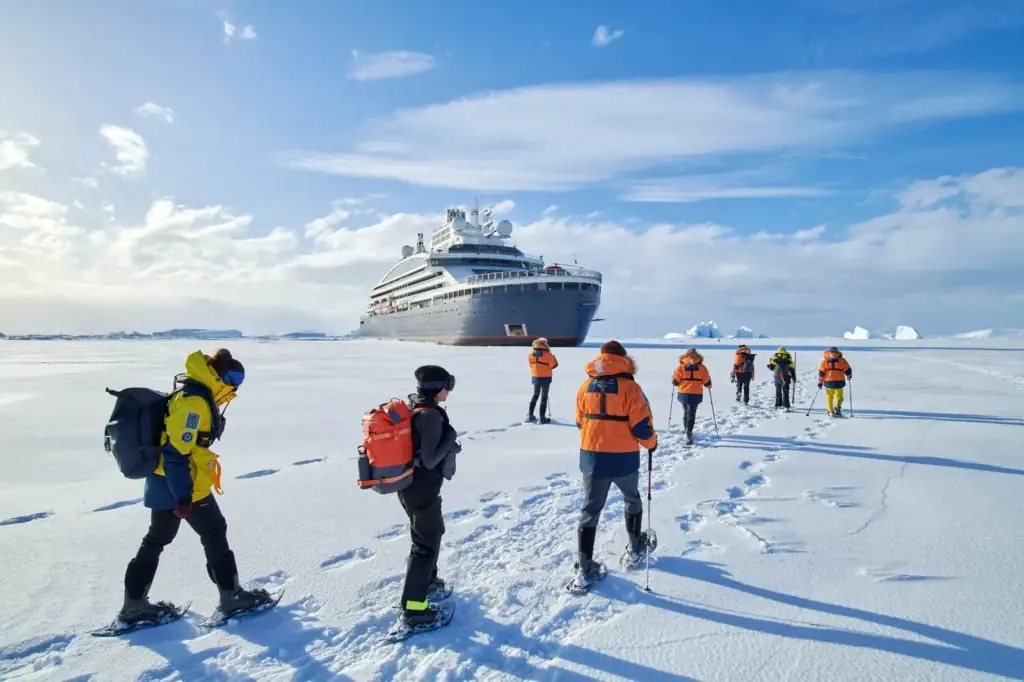
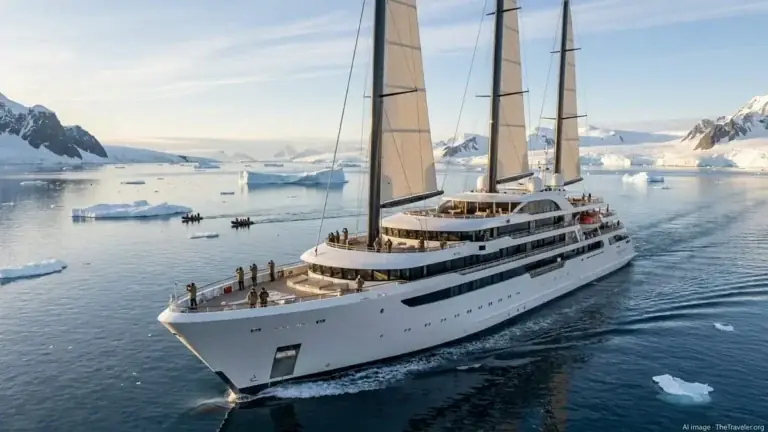
To systematically evaluate a luxury cruise expedition guide, one must first separate consumer marketing terminology from the realities of marine operations. In commercial travel literature, the word “expedition” is frequently attached to standard small-ship cruises that simply anchor near scenic shorelines or include short zodiac tours. However, an operational expedition is defined by its ability to navigate poorly charted, ice-filled, or shallow waters where permanent shore facilities do not exist.
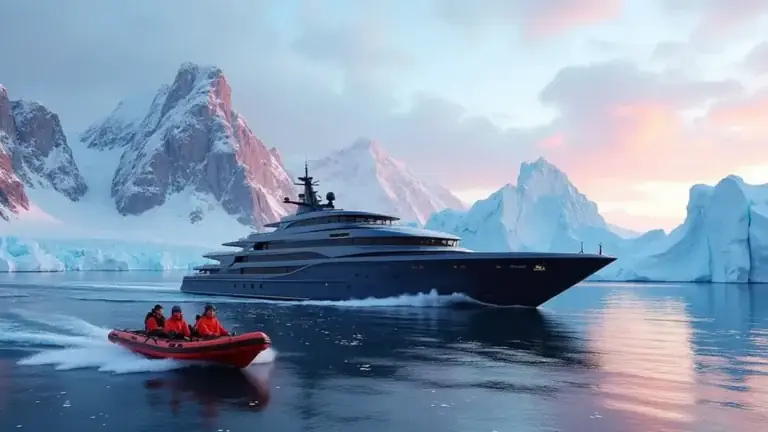
A fundamental point of distinction lies between resort-anchored cruising and autonomous, condition-led expedition operations. Conventional cruising relies on fixed, non-negotiable itineraries, dockside utility connections, and predictable port calls. Conversely, expeditionary cruising utilizes specialized mobile assets—such as PC5/PC6 Polar Code hulls, long-range zodiac fleets, deployable submersibles, and onboard scientific teams—to adapt daily operations in response to shifting ice conditions, weather windows, and wildlife activity.
Operational Capability Spectrum
-
Conventional Leisure Cruise: Relies on large-displacement hulls, fixed port-to-port schedules, municipal grid utilities at berth, and standard municipal emergency infrastructure.
-
Hybrid Coastal Cruise: Utilizes medium-sized vessels operating near regional secondary ports, incorporating limited off-ship excursions in calm, protected waters.
-
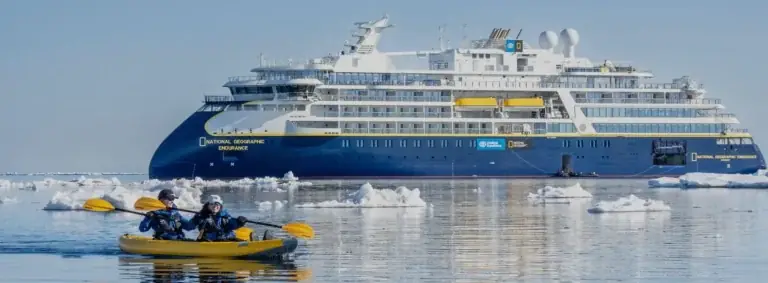
Purpose-Built Expedition Operation: Employs purpose-built ice-class or shallow-draft vessels operating autonomously in remote biomes, featuring onboard waste treatment, self-contained landing gear, and dynamic, weather-led routing.
Failing to recognize these operational differences leads to severe planning miscalculations. Expecting fixed schedules or continuous high-bandwidth connectivity in regions like the high Arctic or outer Melanesia reflects a fundamental misunderstanding of expedition dynamics. True luxury in remote biomes is measured by operational safety margins, vessel capability, expert field guidance, and seamless contingency management under shifting environmental conditions.
Deep Contextual Background: The Evolution of Commercial Expedition Travel
The structural evolution of expedition cruising traces back to mid-20th-century scientific research, oceanographic surveys, and naval operations. Early non-commercial ventures into polar and equatorial biomes relied on converted naval hulls, wooden icebreakers, or government supply ships. These vessels prioritized structural durability and basic sea-keeping ability over passenger comfort, operating with minimal communications and rudimentary field equipment.
The commercial transition began in the late 1960s with pioneering vessels like the Lars-Eric Lindblad explorer ships, which demonstrated that non-scientific travelers could access remote regions like Antarctica and the Galápagos Islands safely under expert guidance. For decades, the fleet comprised converted Russian oceanographic vessels, retired icebreakers, and small coastal supply ships. While these vessels were structurally capable, guest accommodations were basic, and operations were limited by early satellite communications and basic landing equipment.
Historical Evolution Timeline
-
1950s–1980s (Conversion & Scientific Era): Use of decommissioned naval and research hulls; high physical risk, basic accommodations, and rudimentary field gear.
-
1990s–2010s (Hybrid Fleet Growth): Introduction of purpose-built small ships; adoption of basic satellite tracking, improved zodiac tenders, and early environmental compliance protocols.
-
2020s–Present (Purpose-Built High-End Era): Widespread adoption of Polar Code (PC5/PC6) hulls, zero-discharge waste treatment systems, dynamic positioning (holding station without anchors), onboard helicopters, and real-time satellite telemetry.
Recent regulatory shifts have further transformed the industry. The implementation of the IMO Polar Code, strict regional sanctuary limits, EPA emissions rules, and MARPOL Annex VI regulations inside Emission Control Areas (ECAs) have redefined ship design. Modern expedition vessels must incorporate selective catalytic reduction (SCR) engines, advanced wastewater treatment plants (AWTP), and non-cyanide ballast management systems to operate legally in fragile ecosystems.
Conceptual Frameworks and Mental Models for Expedition Operations
Executing complex commercial expeditions in remote marine biomes requires structured analytical models to assess operational feasibility, maintain safety margins, and allocate onboard resources effectively.
The Expedition Operational Matrix (EOM)
The EOM evaluates the viability of an expedition passage by analyzing four core operational vectors:
-
Biome Severity: Sea ice concentration, swell height, ambient temperature extremes, and katabatic wind risks.
-
Logistical Isolation: Distance to the nearest deep-water fuel depot, qualified shipyard, or Level 1 trauma facility.
-
Regulatory Compliance Load: Flag state authorizations, coastal state passage permissions, indigenous access permits, and marine sanctuary restrictions.
-
Asset Endurance: Fuel autonomy, freshwater generation capacity, blackwater storage capacity, and food storage autonomy.
The Risk-to-Access Envelope (RAE)
The RAE model balances the desire for rare, uncrowded field access against acceptable operational safety margins. Pushing deeper into unmapped or ice-filled corridors increases access quality, but contracts the vessel’s safety envelope.
-
Unacceptable Operating Zone: Operating in high-severity ice or weather conditions beyond the reach of rotary search-and-rescue (SAR) support or without secondary shelter anchorages.
-
Optimal Expedition Zone: Navigating remote corridors using forward-looking sonar, dynamic station-holding, and redundant propulsion systems within established safety margins.
This mental model reinforces that daily field operations must be governed by environmental conditions rather than artificial marketing schedules, ensuring safety remains the overriding operational priority.
Key Categories and Operational Variations
Expedition itineraries vary significantly based on geographic latitude, water depth, ice density, and regional environmental regulations. The table below outlines major operational categories:
| Corridor Category | Vessel Requirements | Optimal Window | Primary Route Hazard | Regulatory Complexity |
| High-Arctic (Svalbard / Northwest Passage) | PC5/PC6 Ice-class hull, dual ice searchlights, redundant bow thrusters | July – September | Dynamic sea ice drift, uncharted shoals, rapid fog formation | Extremely High (Polar Code, Canadian/Danish territorial permits) |
| Antarctic Peninsula & Weddell Sea | Heavy displacement hull, dynamic positioning, long-range fuel tanks | November – March | Drake Passage swells, katabatic winds, floating icebergs | Very High (Antarctic Treaty System, IAATO operational rules) |
| Equatorial Archipelagoes (Raja Ampat / Pacific) | Shallow draft < 3.5 mm), forward sonar, high-capacity watermakers | Variable (Monsoon dependent) | Uncharted coral pinnacles, narrow reef passages, strong currents | High (Customs clearance across island chains, marine park fees) |
| Sub-Polar Fjords (Patagonia / Alaska) | High maneuvering clearance, AWTP systems, heavy anchor gear | May – September | Glacial growler ice, extreme tidal range, narrow channel traffic | High (USCG/Chilean Navy protocols, National Park entry limits) |
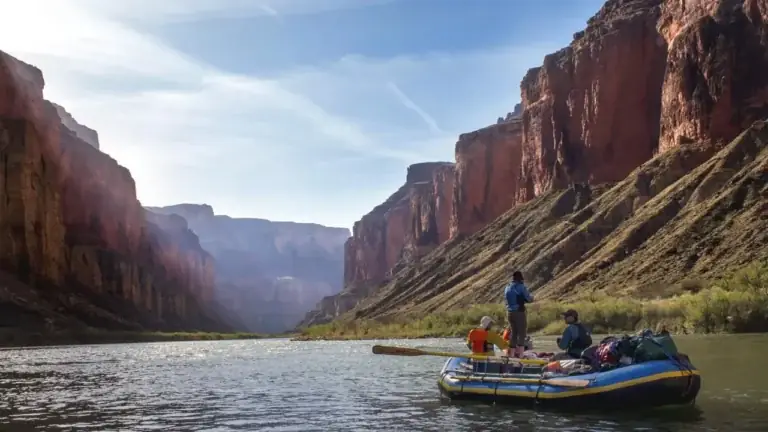
| Deep-River Basins (Amazon / Congo) | Very shallow draft (<2m), jet tenders, anti-pathogen protocols | Dry season windows | Rapid river level drops, submerged timber, limited landing zones | High (Protected bio-reserves, indigenous territory clearance) |
Decision Logic for Operation Selection
Choosing the right operational approach relies on systematic decision criteria:
-
Polar / High-Latitude Routes:
-
Ice Present: Ice-Class Steel Hull (PC5/PC6) required; navigate using forward-looking sonar and real-time satellite ice radar.
-
Open Water with Icebergs: Maintain active dual-radar ice watches and lower transit speeds in low visibility.
-
-
Shallow Coral / River Basins:
-
Shallow Seabed (< 4 meters): Shallow-draft vessel or specialized river barge required; deploy electric jet tenders for shore scout operations.
-
Protected Seabed Sanctuary: Engage Dynamic Positioning Systems (DPS) to station-hold without dropping anchors on delicate coral or eelgrass beds.
-
Detailed Real-World Scenarios
To illustrate how operational variables interact in the field, consider the following real-world operational scenarios:
Ice-Blockade in the Antarctic Sound
-
Operational Setting: Northern tip of the Antarctic Peninsula near the Weddell Sea entrance.
-
Core Constraints: Dense tabular iceberg drift, sudden ice pack movement driven by wind shifts, zero shore infrastructure, strict IAATO landing rules.
-
Decision Sequence: Heavy multi-year sea ice blocks access to a scheduled landing site at Brown Bluff. The expedition leader and captain consult real-time satellite ice imagery and deploy a forward zodiac scout. Rather than forcing passage through shifting ice, the vessel shifts to a secondary lee-side anchorage at Cierva Cove.
-
Failure Mode & Mitigation: Shifted ice pack blocks the secondary exit channel. The vessel uses dynamic positioning to hold station in deep water until the tidal current shifts the ice pack, avoiding hull damage or anchor entanglement.
Grounding Risk in Uncharted Amazon Tributaries
-
Operational Setting: Upper Rio Negro tributary corridor during the transition to dry season.
-
Core Constraints: Unmapped sandbars, submerged timber hazards, high ambient temperatures, distance from emergency medical evacuation infrastructure.
-
Decision Sequence: Water levels drop faster than seasonal averages. The bridge team activates forward-looking sonar and reduces speed to 4 knots. Daily guest excursions shift from the main vessel to shallow-draft aluminum jet tenders equipped with portable depth sounders.
-
Failure Mode & Mitigation: A hidden sandbar grounds the main vessel at low tide. The chief engineer shifts internal fuel ballast to lift the bow while jet tenders deploy kedge anchors, freeing the vessel safely without hull damage or fuel leakage.
Planning, Cost, and Resource Dynamics
The economic structure of running high-end expedition operations differs significantly from traditional commercial cruising. Capital allocation is heavily weighted toward fuel, specialized crew staffing, environmental permits, and emergency contingency reserves.
Operational Cost Allocation Breakdown
-
Capital Asset Operations & Hull Depreciation: ~35% of total budget.
-
ECA-Compliant Ultra-Low Sulfur Fuel & Lubricants: ~25% of total budget.
-
Specialized Crew, Ice Pilots & Medical Personnel: ~15% of total budget.
-
Permitting, Marine Park Royalties & Legal Compliance: ~12% of total budget.
-
Provisions, Freight & Remote Logistics: ~8% of total budget.
-
Emergency SAR Insurance Riders & Contingency Reserves: ~5% of total budget.
Direct and Indirect Financial Estimates
| Cost Category | Estimated Cost Range (USD) | Primary Cost Drivers and Variability Factors |
| Vessel Charter / Mobilization (100–200 Guests) | $250,000 – $800,000 / week | Hull ice rating, onboard helicopters, vessel age, crew size |
| ECA Fuel & Remote Bunkering Fees | $100,000 – $350,000 / month | Distance to supply ports, regional fuel price premiums |
| Specialized Ice Pilots & Naturalist Guides | $4,000 – $12,000 / week/specialist | Regional certifications, guide-to-guest ratios |
| Environmental & Regional Park Permits | $10,000 – $75,000 / itinerary | Marine park access fees, indigenous land access royalties |
| Remote Search & Rescue (SAR) Insurance | $15,000 – $50,000 / deployment | Distance to Level 1 trauma facilities, regional SAR availability |
Tools, Strategies, and Support Systems
Navigating extreme marine corridors requires integrating specialized technical hardware, real-time analytics software, and experienced field personnel.
Integrated Expedition Architecture
-
Hardware Layer: Multibeam forward-looking sonar, dual X/S-band radar, dynamic positioning systems, zero-discharge AWTP units, and heavy-duty aluminum RIB tenders.
-
Data & Software Layer: Real-time ECDIS mapping, satellite ice density feeds, GRIB weather modeling software, and telemedicine diagnostic links.
-
Personnel Layer: Certified ice pilots, wilderness emergency physicians, ornithologists, marine biologists, and field security staff.
Essential Operational Tools
-
Multibeam Forward-Looking Sonar (FLS): Provides 3D underwater profiling ahead of the vessel, detecting uncharted pinnacles or submerged icebergs in poorly mapped waters.
-
Dual Satellite Communications (Starlink Fleet + Iridium Certus): Combines high-bandwidth LEO satellite coverage for weather data with fail-safe L-band links for emergency communications.
-
Advanced Wastewater Treatment Plants (AWTP): Enables continuous operation inside zero-discharge marine sanctuaries without needing frequent shore pump-outs.
-
Heavy-Duty Commercial RIBs: Twin-engine aluminum-hulled tenders equipped with independent navigation packages for safe shore landings along rocky coasts.
-
Onboard Telemedicine Diagnostic Bays: Equip onboard physicians to transmit ECGs, ultrasound scans, and blood diagnostics directly to hospital specialists in real time.
Risk Landscape and Failure Modes
Operating in remote wilderness areas carries inherent operational risks. Managing these risks requires understanding how minor mechanical or administrative issues can escalate into severe operational failures.
Compounding Risk Cascade
-
Initial Equipment Failure: Main engine cooling line becomes clogged by organic marine debris or glacial silt.
-
Loss of Main Maneuverability: Vessel loses main propulsion and begins drifting toward a shallow reef or ice field in heavy swells.
-
Secondary Environmental Impact: Strong currents drift the vessel into ice or rock hazards while engineers work on cooling lines.
-
Critical Safety Escalation: Structural hull breach occurs, requiring emergency Search and Rescue (SAR) evacuation under severe weather conditions.
Risk Taxonomy
-
Regulatory Non-Compliance: Unintentional entry into protected marine zones or illegal discharge, resulting in heavy fines, vessel arrest, or loss of operating permits.
-
Environmental Impact: Hull collision with marine mammals or accidental grounding on fragile reef structures, triggering severe environmental remediation liabilities.
-
Supply Chain Breakdown: Failure of fuel delivery tankers or food supply shipments at intermediate staging ports, forcing route cancellation.
-
Medical Emergency in Isolated Zones: Critical illness or injury occurring days away from advanced trauma facilities during bad flying weather.
Governance, Maintenance, and Long-Term Adaptation
Maintaining an expedition vessel operating in remote biomes requires continuous administrative management, scheduled preventive maintenance, and adaptive planning.
Annual Compliance & Inspection Cycle
-
Q1 (Drydock & Structural Refit): Structural hull testing, propeller shaft alignment, SCR emissions testing, and sea valve overhauls.
-
Q2 (Regulatory & Class Audits): USCG/Class surveyor inspections, Polar Code safety recertifications, and updating emergency response procedures.
-
Q3 (Field Operations Deployment): Executing planned remote passages supported by real-time tracking, mandatory safety check-ins, and continuous weather monitoring.
-
Q4 (Post-Season Debrief): Reviewing logistical bottlenecks, updating regional route maps, evaluating field staff performance, and planning equipment maintenance.
Pre-Deployment Operational Checklist
-
Confirm all flag state clearances, coastal state cruising permits, and marine sanctuary authorizations are valid.
-
Inspect main engines, auxiliary generators, steering gear, and emergency fire pumps.
-
Test primary and backup satellite communications systems, including emergency distress channels.
-
Audit onboard medical supplies, check pharmaceutical expiration dates, and verify oxygen reserves.
-
Confirm fuel and freshwater reserves include a minimum 30% emergency margin.
-
Conduct guest and crew safety briefings covering cold-water survival, abandon-ship protocols, and tender operations.
Measurement, Tracking, and Evaluation
Evaluating the success of an expedition requires tracking quantitative operational metrics alongside qualitative environmental and passenger safety outcomes.
Expedition Metrics Matrix
-
Leading Metrics:
-
Completion rate of scheduled preventive maintenance before departure.
-
Accuracy of pre-voyage fuel burn calculations compared to real-world test runs.
-
Lead time secured for regional environmental and passage permits.
-
Ratio of certified safety and medical personnel to guests onboard.
-
-
Lagging Metrics:
-
Total unplanned maintenance downtime during field operations.
-
Deviation between estimated and actual operational budgets.
-
Zero-discharge environmental compliance records throughout sanctuary transits.
-
Overall percentage of planned field objectives completed safely.
-
Documentation Standards
Professional expedition operators maintain detailed operational logs for legal, environmental, and safety records:
-
Environmental Discharge Records: Detailed tracking of treated blackwater, oily water separator usage, and garbage disposal logs for USCG and MARPOL inspection.
-
Master Bridge & Hydrographic Logs: Real-time recording of localized weather, ice concentrations, depth soundings in poorly charted areas, and speed adjustments in mammal protection zones.
-
Post-Voyage Passage Reports: Comprehensive reviews documenting anchorage safety, local guide performance, fuel quality, and updated navigational notes for future passages.
Common Misconceptions and Oversimplifications
-
Misconception 1: Any modern luxury cruise ship can safely navigate polar or deep remote corridors.
-
Correction: Large size does not confer remote capability. Without ice-strengthened hulls, dynamic positioning, specialized tender davits, and extended fuel autonomy, standard luxury cruise ships face severe structural and operational hazards in high-latitude waters.
-
-
Misconception 2: Expedition cruising follows rigid, unchangeable daily schedules.
-
Correction: Weather, ice movement, and wildlife opportunities dictate daily field operations. Flexibility is essential for maintaining safety and delivering quality field experiences.
-
-
Misconception 3: Advanced satellite technology eliminates environmental risks in remote regions.
-
Correction: Satellite imagery provides helpful tracking, but it cannot measure real-time water depth or replace visual ice watches and forward-looking sonar.
-
-
Misconception 4: High vessel speed is desirable during an expedition.
-
Correction: Expedition cruising prioritizes fuel efficiency, low underwater noise profiles (to minimize marine life disruption), and safe navigation through unmapped hazards over high speed.
-
-
Misconception 5: High ticket prices guarantee complete protection from physical discomfort.
-
Correction: High expenditure buys safety margins, operational redundancy, and expert leadership, but passengers must still contend with natural sea states, cold weather, and changing field conditions.
-
Ethical, Practical, and Environmental Considerations
Operating high-end expeditions in fragile wilderness biomes carries significant stewardship obligations. Increased vessel presence in isolated regions can impact wildlife habitats and local communities if not managed carefully.
Triple-Bottom-Line Expedition Model
-
Ecological Stewardship: Enforcing strict zero-discharge waste protocols, maintaining low acoustic footprints to prevent marine mammal disturbance, and avoiding anchoring on fragile sea beds.
-
Regulatory Compliance: Adhering fully to international maritime law, regional marine sanctuary guidelines, and local environmental protection codes.
-
Cultural Respect: Engaging respectfully with indigenous communities, utilizing local guides, and supporting local economies at remote landing sites.
Expedition operators adopt low-impact operational practices:
-
Acoustic Noise Management: Reducing generator and engine vibration in marine mammal habitats to prevent underwater acoustic disruption.
-
Dynamic Station-Holding: Utilizing dynamic positioning systems instead of anchors in sensitive benthic environments, such as cold-water corals or eelgrass beds.
-
Community-Led Integration: Partnering with local indigenous guides, sourcing regional provisions where sustainable, and contributing directly to regional conservation programs.
Conclusion
Navigating the operational landscape outlined in this luxury cruise expedition guide requires balancing high-level hospitality with rigorous maritime engineering, regulatory compliance, and environmental stewardship. As demand for remote exploration grows, understanding the operational capabilities required for safe field access becomes increasingly essential for vessel owners, charterers, and travelers alike.
Long-term success in remote expedition cruising depends on thorough preparation, continuous risk evaluation, environmental respect, and adaptive decision-making. When managed with professional rigor and analytical discipline, expeditionary travel provides safe, meaningful access to the world’s most extraordinary remote biomes.