Best Luxury Expedition Spots United States: In-Depth Operational & Regional Guide
The geography of the United States contains some of the most ecologically diverse and physically formidable wilderness zones in the Northern Hemisphere. From the glacial fjords of Prince William Sound and the alpine plateaus of the Wind River Range to the deep sandstone gorges of the Colorado Plateau and the isolated ecosystems of the Florida Keys, North America offers an extraordinary spectrum of remote terrain. Historically, accessing these remote enclaves required significant physical sacrifice, survival expertise, and primitive seasonal camps. Over recent decades, however, a sophisticated framework of remote logistics, mobile infrastructure, and private conservation leases has reshaped how these wild spaces are accessed and experienced.
Evaluating high-end expeditionary destinations across North America requires looking past marketing terminology like “glamping” or traditional luxury lodging. True field expeditions operate at the boundary between raw environment and engineered human support. The primary constraint in these remote zones is rarely comfort alone; rather, it is the operational friction of transporting food, medical support, communications, and waste management infrastructure into regions devoid of roads, municipal power grids, or immediate search-and-rescue services.
Understanding the geographic nodes that support these operations demands an analytical framework. Each region presents a unique mix of microclimates, land tenure systems, federal permit rules, and transport bottlenecks. Whether landing a tundra-tired bush plane on a gravel bar in the Brooks Range or navigating a heavy-load raft through the Grand Canyon, high-end expedition planning requires balancing ecological stewardship, local legal mandates, and safety protocols.
Understanding “Best Luxury Expedition Spots United States.”
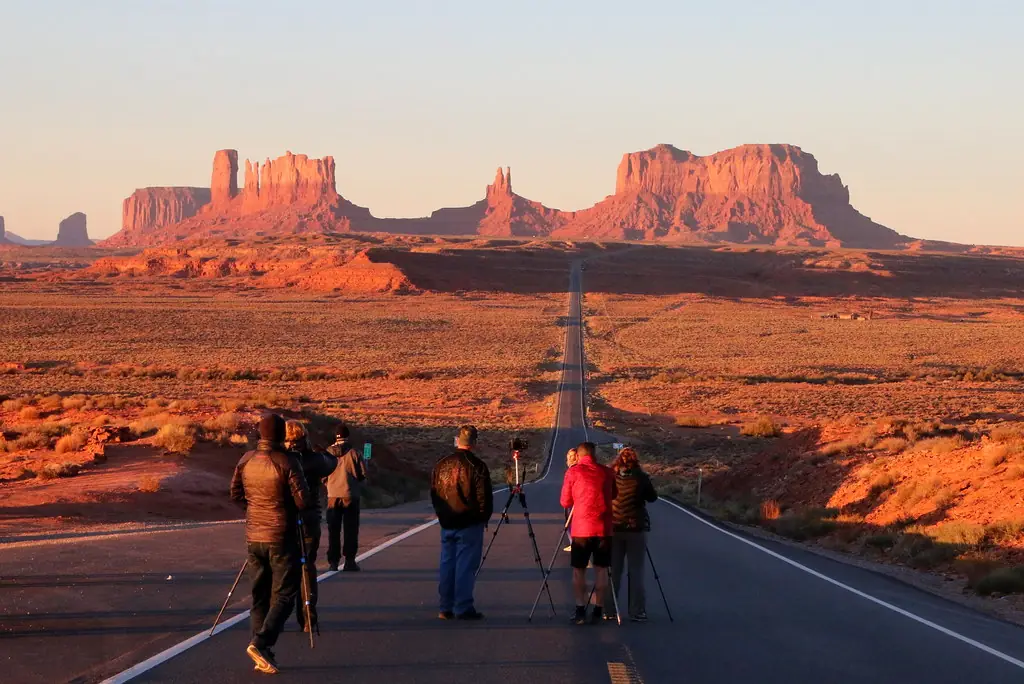
The evaluation of the best luxury expedition spots in the United States requires a clear distinction between stationary luxury resorts and active, mobile field expeditions. A resort—regardless of how isolated—operates within permanent physical boundaries with fixed foundations, municipal or heavy generator power, permanent plumbing, and established vehicle access. Conversely, a true expedition spot represents a geographic location where high-end comfort must be temporarily built or transported into an environment that actively resists human habitation.
To evaluate field access across remote regions, destination types are categorized into two core operational models:
-
Fixed Resorts and Lodges: Built upon permanent foundations and fixed utility infrastructure. They rely on direct road or commercial airstrip access, offering a completely controlled environment with stable civil utilities.
-
Mobile Expedition Zones: Operating entirely on temporary, zero-trace setups with off-grid power generation, gravity water filtration, and satellite telemetry. Access relies on bush planes, helicopters, motorized landing craft, or horse pack-trains across dynamic, weather-dependent access corridors.
When evaluating the best luxury expedition spots in the United States, three distinct geographic and regulatory models emerge across the American landscape:
-
Sub-Arctic and Alpine Fjords (Alaska & Pacific Northwest): High-latitude environments where deep access depends entirely on aviation (bush planes, helicopters) or marine vessels (charter yachts, motorized landing craft). Operations are defined by short seasonal windows, rapid weather swings, and extreme physical isolation.
-
Arid River Corridors and Canyons (American Southwest): Desert ecosystems where access follows river drainages or high-clearance off-road tracks. Expeditions depend on water management, heat mitigation, and strict river-launch permit schedules enforced by federal land managers.
-
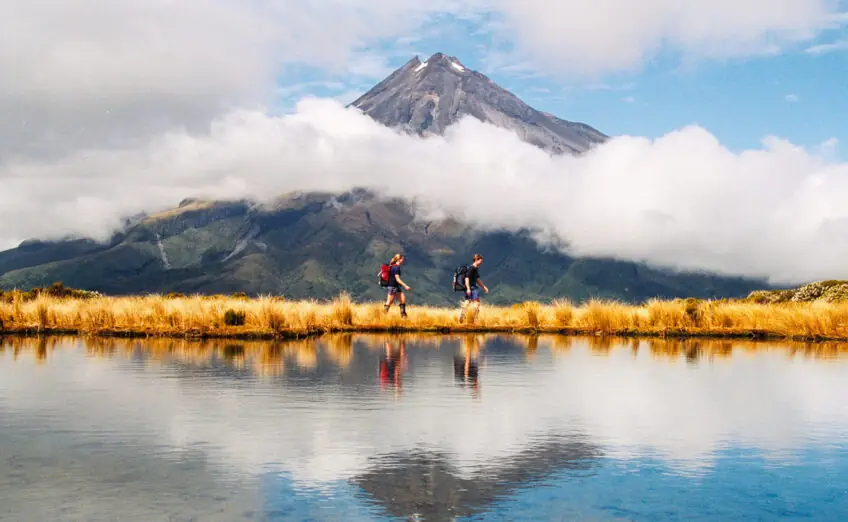
High-Altitude Mountain Basins (Rocky Mountains & Great Basin): Alpine terrain accessible via pack-horse chains, high-clearance vehicles, or mountain foot-tracks. Operations balance steep terrain logistics, unpredictable weather, and apex predator safety protocols.
Oversimplifying these destinations leads to severe planning errors. Consumers and planners frequently confuse geographical scenic quality with operational feasibility. A destination may possess world-class natural scenery, yet be virtually unusable for high-end mobile expeditions due to restrictive land permits, unpredictable wind patterns that block bush plane landings, or delicate soils that legally prohibit temporary camp infrastructure.
Evaluating these spots requires assessing four core pillars:
-
Access Vulnerability: The number and reliability of entry and exit routes available during inclement weather.
-
Regulatory Viability: The availability and flexibility of Commercial Use Authorizations (CUAs), Special Use Permits (SUPs), or private lease agreements.
-
Logistical Margin: The proximity to supply hubs capable of supporting fresh cold-chain provisions, aviation fuel, and emergency medical response.
-
Ecological Resilience: The ability of the local environment to absorb low-impact temporary human presence without sustaining ecological damage.
Deep Contextual Background
The evolution of remote expedition destinations in North America is tied to the expansion of public land conservation, early sporting travel, and modern aviation technology. In the late nineteenth and early twentieth centuries, accessing remote wilderness required weeks of travel via railroad, horse pack trains, and guided river craft. Early private expeditions into places like the Greater Yellowstone Ecosystem, the Adirondacks, and the Maine Woods were reserved for wealthy patrons who hired local guides, packers, and camp staff to erect elaborate temporary encampments.
The historical progression developed through distinct operational eras:
-
Late 1800s: Early government survey expeditions and private sporting camps using local guides and pack stock.
-
1910s–1930s: The Dude Ranch era and formalization of backcountry pack-train operations across the American West.
-
1964: Enactment of the federal Wilderness Act, establishing protected public wilderness areas and strict leave-no-trace permit rules.
-
1980s–2000s: Expansion of specialized bush aviation, charter marine vessels, and private land conservation leases.
-
2010s–Present: Development of modern off-grid expedition logistics combining solar microgrids, satellite internet, and luxury field camps.
The passage of the Wilderness Act of 1964 redefined how remote destinations were accessed. By establishing designated wilderness areas where permanent roads, structures, and motorized equipment were strictly prohibited, federal legislation forced outfitters to innovate. Permanent timber hunting lodges gave way to canvas wall-tent camps, packable solar arrays, and leave-no-trace waste containment systems.
Simultaneously, the development of specialized bush aviation following World War II transformed remote Alaska and the northern Rocky Mountains. Aircraft equipped with tundra tires, floats, and skis opened up isolated river bars, glacial moraines, and high-altitude lakes that were previously unreachable within realistic timeframes.
Over the past two decades, a parallel model has developed: the establishment of massive private conservation reserves and exclusive tribal land partnerships. Private land holdings in states like Montana, New Mexico, and South Dakota have combined ecosystem restoration with controlled, high-end guest access, creating private wilderness destinations that operate alongside traditional public-land permits.
Conceptual Frameworks and Mental Models
To evaluate and compare remote destinations across the United States, expedition planners utilize three core conceptual models:
1. The Friction-of-Distance Index (FDI)
The FDI measures the operational effort, time, and financial cost required to transport one unit of weight (personnel, gear, food, fuel) to a field location from the nearest supply hub:
-
Low Friction (Zone 1): Road access within 2 hours; standard supply chains; immediate ambulance/medevac capability.
-
Moderate Friction (Zone 2): High-clearance vehicle or short boat transport required; 4–8 hour evacuation window.
-
High Friction (Zone 3): Single-engine bush plane or pack-horse string required; weather-dependent evacuation taking 12–24 hours.
-
Extreme Friction (Zone 4): Multi-stage bush plane transfers or helicopter-only access; evacuation delays can exceed 48 hours due to terrain and weather.
2. The Environmental Footprint-Comfort Ratio (EFCR)
This model calculates the ecological impact generated to maintain a specific level of camp comfort. In delicate alpine tundra or desert crust ecosystems, providing high-end amenities (hot showers, electric refrigeration, wide-footprint shelters) requires significantly higher transport mass and waste containment effort to avoid leaving a permanent mark on the terrain.
3. The Multi-Jurisdictional Permitting Overlay (MJPO)
The MJPO maps the regulatory friction of an expedition route. An itinerary crossing National Park land, U.S. Forest Service wilderness, Bureau of Land Management acres, state land, and tribal reservations requires separate permits, group-size restrictions, and environmental rules for each segment of the journey.
Key Categories and Operational Variations
Selecting the best luxury expedition spots in the United States requires matching destination dynamics with client capabilities, seasonal windows, and operational requirements.
| Expedition Region | Primary Transport | Seasonal Window | Primary Operational Bottleneck |
| Brooks Range & Arctic Alaska | Float/Tundra Bush Planes | Late June – Early Sept | Unpredictable Arctic weather ceilings |
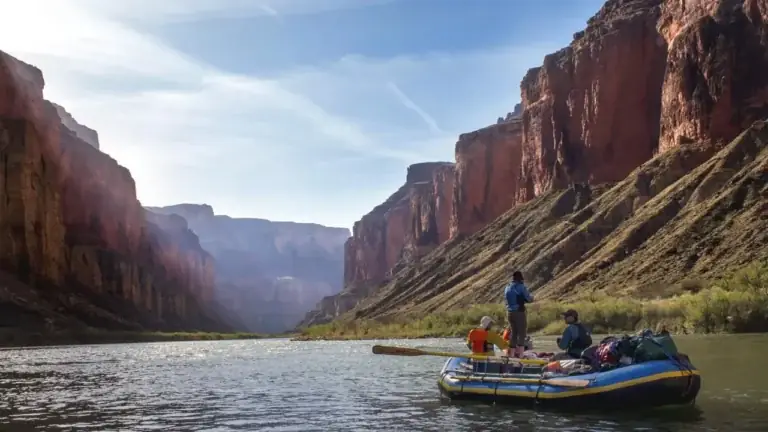
| Middle Fork Salmon River (Idaho) | Heavy Oar Rafts, Bush Planes | June – September | Water flow levels, strict launch dates |
| Greater Yellowstone Backcountry | Horses, Pack Mules, Foot | July – October | Apex predator safety, steep pass access |
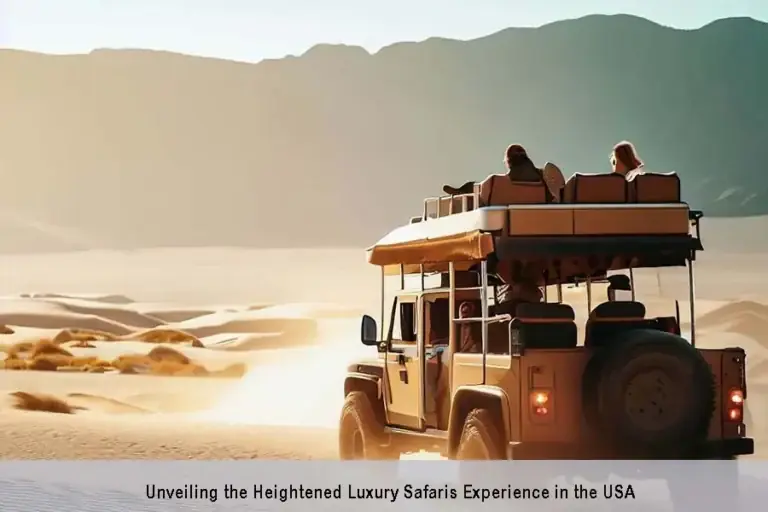
| Colorado Plateau & Canyonlands | Custom High-Clearance 4x4s | April–May, Sept–Oct | Extreme heat, flash floods, water scarcity |
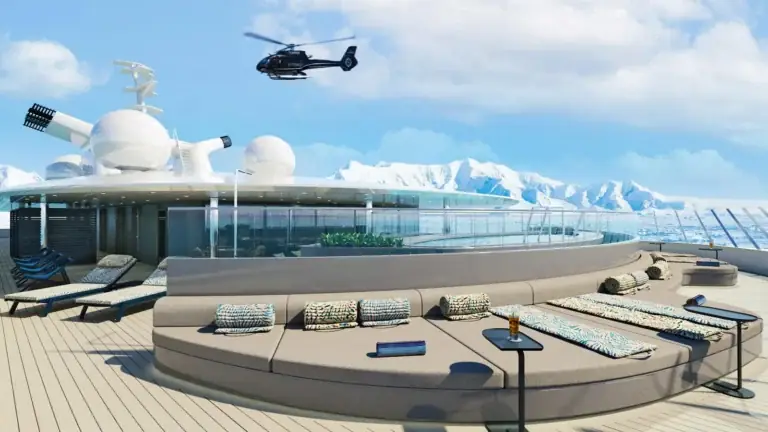
| Prince William Sound (Alaska) | Private Charter Yachts, Skiffs | May – September | Marine weather, high-latitude sea conditions |
| Everglades & Ten Thousand Islands | Shallow-Draft Boats, Kayaks | November – April | Tidal navigation, insect pressure, humidity |
1. Brooks Range & Arctic Alaska (Gates of the Arctic, ANWR)
Located entirely above the Arctic Circle, this region represents the height of North American wilderness isolation. Expeditions operate without roads, trails, or permanent structures, relying on tundra-tired bush aircraft to land on river gravel bars.
-
Trade-offs: Complete wilderness isolation and pristine wildlife tracking; high costs, strict gear weight limits, and significant risk of weather-induced flight delays.
2. Middle Fork Salmon River & Frank Church Wilderness (Idaho)
One of the premier free-flowing river corridors in North America, offering world-class whitewater, hot springs, and deep canyon solitude.
-
Trade-offs: High mobility and excellent camp setup capacity via heavy river rafts; fixed linear routes and rigid launch permits controlled by lottery systems.
3. Greater Yellowstone Ecosystem (Wyoming, Montana, Idaho)
A massive contiguous ecosystem featuring high mountain plateaus, thermal features, and abundant megafauna (grizzlies, wolves, bison, elk).
-
Trade-offs: Excellent wildlife viewing and rich outfitting history; high public visitation along frontcountry corridors requires deep wilderness penetration to achieve true solitude.
4. Colorado Plateau & Canyonlands (Utah, Arizona, New Mexico)
A stark landscape of sandstone canyons, isolated mesas, and ancient cultural sites, ideal for off-road vehicle explorations and deep-canyon foot tracking.
-
Trade-offs: Year-round visual landscape appeal and excellent ground vehicle mobility; severe water scarcity, intense summer heat, and delicate soils require careful camp management.
5. Prince William Sound & Southeast Alaska Marine Fjords
A marine wilderness of glaciated fjords, old-growth coastal rainforests, and rich marine life (whales, sea otters, brown bears).
-
Trade-offs: Mobile, highly stable accommodations using luxury charter vessels as floating base camps; high marine charter costs and vulnerability to coastal rain systems.
6. Everglades & Ten Thousand Islands (Florida)
A vast subtropical wetland system featuring coastal mangrove mazes, shallow marine estuaries, and unique aquatic bird and predator populations.
-
Trade-offs: Outstanding winter operational season when northern zones are snowbound; high humidity, insect pressure, and complex tidal navigation.
Detailed Real-World Scenarios
To understand how operational planning functions across these top regions, consider the following real-world scenario breakdowns.
Glacial Fjord & Bear Tracking Traverse (Prince William Sound, Alaska)
-
Context: A private party charters a 120-foot expedition vessel as a floating base camp for six days of glacial kayak exploration and coastal bear viewing in late July.
-
Constraints: Extreme tidal ranges (up to 18 feet); high marine weather variability; strict distance protocols around active glacier faces and feeding brown bears.
-
Operational Sequence:
-
Departure from Whittier following a safety brief on maritime radio comms and hypothermia protocols.
-
Daily deployments using rigid inflatable boats (RIBs) to access shallow river estuaries during low tide.
-
Staging sea kayak launches from the mother vessel in protected coves, backed by a dedicated support skiff.
-
-
Failure Mode & Mitigations: A heavy Gulf storm drives high swells into the sound, blocking access to planned outer fjords.
-
Mitigation: Shift itinerary to protected inner bays and deep fjord systems, pivoting focus to forest ecology, salmon run tracking, and glacier-front ice navigation under protected lee shores.
-
Deep Canyon River Expedition (Middle Fork Salmon, Idaho)
-
Context: A multi-generational family books a six-day private river charter during mid-July high-water conditions, requiring luxury tent setups, hot showers, and custom culinary service at each river beach camp.
-
Constraints: Strict forest service rule requiring all solid waste, greywater, and trash to be packed out; zero motorized equipment permitted on the river; unpredictable forest fire smoke during mid-summer.
-
Decision Logic: The operator uses a two-tier raft fleet: advance cargo rafts depart early each morning carrying heavy camp infrastructure, kitchen gear, and private canvas tents, ensuring camp is fully established before guest oar rafts arrive each afternoon.
-
Second-Order Effects: Rapid seasonal drops in river water levels can expose granite boulder fields, requiring river leads to lighten raft loads by transferring heavy gear to bush planes at backcountry airstrips along the river corridor.
High-Plateau Horse Pack Expedition (Wind River Range, Wyoming)
-
Context: A corporate team executes a seven-day high-altitude wilderness trout fishing and mountain traverse across roadless national forest lands above 9,500 feet.
-
Execution Strategy: Utilizing a string of 16 pack mules and horses to transport wall tents, wood stoves, fresh cold-chain provisions, and satellite comms equipment over steep mountain passes.
-
Risk Profile: Sudden high-altitude summer blizzards or severe lightning storms above timberline. The lead guide maintains strict morning crossing schedules to clear high passes before afternoon convective storm formation.
Planning, Cost, and Resource Dynamics
Operating high-end expeditions in America’s most isolated regions involves substantial capital expenditure, complex supply chains, and specialized labor. Unlike stationary hotels, where fixed costs dominate, remote expedition economics are driven by variable transport and logistics costs.
| Cost Element | Daily Cost Range (Per Guest) | Primary Cost Drivers |
| Aviation & Marine Charters | $1,500 – $4,500 | Fuel, repositioning flights, pilot standby rates, vessel maintenance |
| Specialized Field Crew & Guides | $600 – $1,500 | WFR/WEMT medical certifications, wrangler/pilot rates, field chefs |
| Land Agency & Permit Fees | $150 – $500 | Commercial Use Authorizations, daily use fees, land preservation funds |
| Mobile Camp Infrastructure | $300 – $1,000 | Custom canvas tents, solar microgrids, portable sanitation systems |
| Cold-Chain Food & Supply Logistics | $200 – $600 | Fresh organic sourcing, vacuum packing, dry-ice transport |
| Medical, Safety & Satellite Comms | $100 – $350 | Satellite internet/messaging, private medevac insurance policies |
Resource Allocation Realities
-
Aviation Repositioning Overhead: In regions like Alaska or Idaho, up to 40% of air charter budgets cover non-revenue “repositioning flights”—flying empty aircraft from regional bases to remote staging strips to position gear and crew before guest arrival.
-
Labor-to-Guest Ratios: High-end field operations frequently maintain a staff-to-guest ratio of 2:1 or 3:1. A trip for six guests may require two lead guides, a field chef, a camp hand, and dedicated transport drivers or pilots.
-
Capital Equipment Depreciation: Off-grid gear deployed in extreme environments—such as high-wind geodesic domes, marine electronics, and off-road tires—experiences high wear and tear, requiring frequent replacement cycles.
Tools, Strategies, and Support Systems
Deploying high-end field expeditions into North America’s premier remote spots relies on specialized technology and field strategies.
The off-grid field infrastructure stack is grouped across three core technological pillars:
-
Power and Communications: High-efficiency solar arrays paired with LiFePO4 battery banks, backed by compact Starlink field units and Iridium satellite communicators.
-
Water and Waste Management: High-volume gravity ceramic water filtration units paired with sealed Leave-No-Trace waste containment systems.
-
Camp Comfort and Shelters: Wind-rated modular geodesic domes and canvas wall tents equipped with raised cot flooring and compact wood-burning stoves.
Additional support items critical to backcountry field deployment include:
-
Rotomolded Cold-Chain Storage Systems: Heavy-duty insulated coolers packed using calculated dry-ice layers and vacuum-sealed food blocks to preserve fresh produce and meats for up to two weeks off-grid.
-
Leave-No-Trace Waste Containment Setup: Sealed, chemical-free waste containment systems designed to comply with strict federal requirements along river canyons and Arctic coastlines.
Risk Landscape and Failure Modes
Operating in America’s most isolated wilderness zones involves inherent risks. High-end operations manage these risks through structured safety protocols rather than relying on rapid external aid.
The primary operational risk vectors fall into four major categories:
-
Weather Entrapment: Cloud ceilings, heavy snow, or high seas blocking aircraft or watercraft access, forcing extended stays in the field.
-
Medical Emergencies in Remote Zones: Acute injuries, cardiac events, or severe infections occurring multiple hours or days away from definitive hospital care.
-
Logistical Chain Breakdowns: Equipment failures (e.g., plane mechanical issues, raft punctures, vehicle breakdown) that disrupt supply lines or movement schedules.
-
Wildlife Conflicts: Encounters with apex predators (grizzly bears, polar bears, cougars) driven by food odors, surprise meetings, or carcass defense.
Risk Mitigation Frameworks
-
Mandatory Redundant Provisions: Every deep-field expedition carries a minimum of 3–5 days of additional non-perishable food, fuel, and medical supplies above the planned itinerary duration.
-
Multi-Network Communication Protocols: Carrying dual satellite systems (Iridium satellite phones and Starlink data units) to ensure continuous connectivity during atmospheric disruptions.
-
Comprehensive Evacuation Insurance: Mandating that all guests and crew hold dedicated medical evacuation policies covering private fixed-wing air ambulance transfers.
Governance, Environmental Stewardship, and Permitting
Commercial operations across the best luxury expedition spots in the United States operate under strict regulatory supervision designed to preserve natural resources and protect public lands.
| Managing Agency | Legal Framework | Regulatory Mandates |
| National Park Service (NPS) | Commercial Use Authorization (CUA) | Strict group limits, fixed camp zones, leave-no-trace waste rules |
| U.S. Forest Service (USFS) | Special Use Permit (SUP) | Outfitter quota allocations, wilderness protection rules |
| Bureau of Land Management (BLM) | Special Recreation Permit (SRP) | Off-road vehicle routing, river launch lottery systems |
| State Trust Land Offices | State Commercial Recreation Leases | Lease fees, seasonal access windows, habitat protection |
| Sovereign Tribal Nations | Tribal Land Enterprise Permits | Cultural site protections, local guide hiring mandates |
Compliance with these regulatory frameworks is mandatory. Unpermitted commercial operations face severe federal fines, equipment confiscation, and permanent bans from operating on public lands.
Measurement, Tracking, and Operational Evaluation
Maintaining high standards across remote expeditions requires tracking quantitative operational metrics and qualitative experience indicators.
Key performance evaluation indicators are divided into two operational phases:
-
Leading Indicators (Pre-Expedition): Equipment wear-and-tear inspection logs, pre-trip guest medical screenings, satellite weather trend monitoring, and fuel reserve margin checks.
-
Lagging Indicators (Post-Expedition): Post-trip zero-impact campsite audits, equipment failure rates, Net Promoter Scores (NPS), and guide safety incident reviews.
Common Misconceptions and Industry Oversimplifications
Myth 1: “Luxury Expeditions Compromise the Authentic Wilderness Experience”
Reality: High-end expedition logistics are designed to remove friction—such as poor sleep, inadequate nutrition, or safety concerns—allowing guests to engage more deeply with wild environments without leaving an environmental footprint.
Myth 2: “Aviation and Satellite Tech Guarantee Instant Safety in the Backcountry”
Reality: Mountain weather, Arctic fogs, and solar storms frequently ground aircraft and interrupt satellite signals. Technology supports—but never replaces—thorough field risk management and self-sufficiency.
| Common Misconception | Operational Reality |
| “Glamping setups can be placed anywhere.” | Federal wilderness laws strictly prohibit permanent or wheeled infrastructure in designated wilderness areas. |
| “High costs reflect excessive profit margins.” | High pricing is driven by aviation fuel, complex logistics, insurance, and low guest-to-guide ratios. |
| “Desert expeditions require less gear than Arctic ones.” | Desert operations require heavy water transport, shade infrastructure, and extreme temperature management. |
Ethical, Environmental, and Regulatory Considerations
The growth of private access into isolated ecosystems requires careful ethical management:
-
Preserving Wild Soundscapes: Minimizing generator use and helicopter transfers to protect natural soundscapes for wildlife and other wilderness visitors.
-
Respecting Indigenous Heritage: Ensuring expeditions crossing tribal lands work closely with traditional owners, honor sacred cultural sites, and contribute directly to local economies.
-
Preventing Wildlife Habituation: Maintaining strict camp cleanliness, bear-proof food containment, and proper viewing distances to keep wildlife wild.
Conclusion
North America contains an extraordinary diversity of remote wilderness zones suitable for world-class expeditions. Identifying the best luxury expedition spots in the United States requires looking beyond scenic photos to evaluate the complex logistics, regulatory frameworks, transport channels, and environmental conditions that define true field operations.
Whether operating along coastal glacial fjords, navigating deep sandstone river canyons, or tracking wildlife across high-altitude plateaus, successful expeditions balance comfort with environmental respect. By prioritizing careful planning, ecological stewardship, and operational safety, field operators can deliver exceptional experiences in the nation’s most isolated landscapes—preserving these wild places for generations to come.