Luxury Expedition Safety Tips: The Definitive Operational Guide
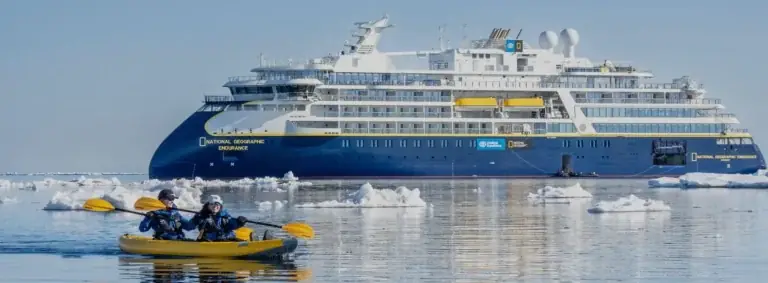
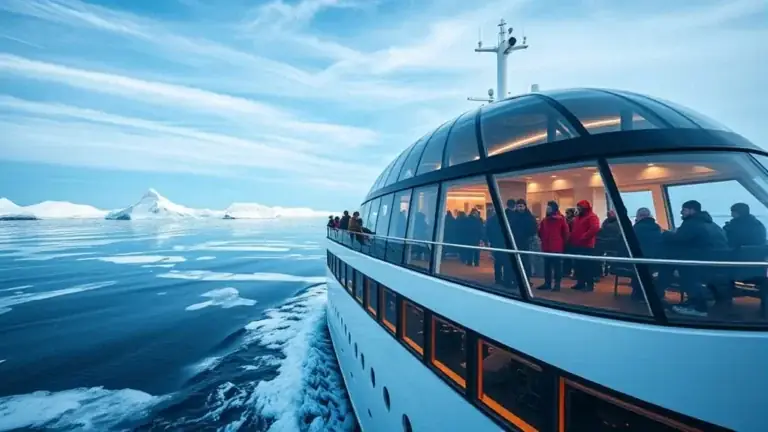
Safety within the high-end expedition sector represents a sophisticated convergence of risk engineering, maritime and aviation law, remote medical capability, and dynamic environmental monitoring. When ultra-high-net-worth travelers or specialized private charterers venture into extreme biomes—such as polar ice sheets, isolated tropical archipelagoes, high-altitude alpine zones, or deep desert corridors—the primary objective shifts from providing cosmetic luxury to maintaining absolute operational security. In these environments, physical comfort is entirely dependent on the structural integrity of the safety architecture.
Operating in isolated regions removes the safety net provided by municipal utilities, commercial search and rescue (SAR) infrastructure, and regional Level 1 trauma facilities. Consequently, safety management during remote journeys cannot rely on passive reliance on local authorities. It requires establishing self-contained operational redundancies, pre-staging emergency assets, deploying specialized personnel, and implementing rigorous decision-making frameworks capable of preventing minor equipment issues or weather shifts from escalating into severe emergencies.
Analyzing safety protocols in remote environments requires moving past basic consumer checklists. True safety engineering involves assessing vessel and equipment certifications, evaluating crew-to-guest ratios, auditing field medical infrastructure, and establishing clear operational protocols. Whether navigating ice fields in high-latitude waters or executing deep-field overland insertions, safety is built on methodical planning, clear risk management, and rigorous execution.
Understanding “luxury expedition safety tips.”
To analyze luxury expedition safety tips with professional rigor, one must first dismantle the common misconception that safety in remote environments can be summarized in simple consumer advice. In mainstream travel discourse, safety guidance often consists of basic packing lists, general health advice, or superficial reminders to follow guide instructions. However, in private, high-end expeditionary environments, safety tips represent complex operational protocols integrated into every phase of a journey.
A critical point of distinction lies between passive safety and active risk mitigation. Passive safety relies on external support systems, such as calling local emergency services or relying on standard commercial medical insurance. Active risk mitigation—which defines true expeditionary planning—assumes external assistance may be delayed by hours or days due to weather, distance, or terrain. It requires establishing self-sufficient support systems, including onboard medical teams, satellite telemetry, specialized extraction vehicles, and redundant power and fuel reserves.
Safety Architecture Matrix
-
Passive Consumer Safety: Dependent on municipal emergency infrastructure, standard commercial travel insurance, fixed communications, and local medical facilities.
-
Hybrid Wilderness Safety: Utilizes certified wilderness guides, satellite communication devices, basic field medical kits, and pre-arranged regional extraction options.
-
Autonomous Expedition Safety Architecture: Operates with fully redundant self-contained assets, onboard medical professionals, pre-staged fuel and extraction infrastructure, real-time satellite telemetry, and dedicated search and rescue (SAR) insurance riders.
Failing to understand these operational levels leads to severe risk underestimation. High expenditure alone does not guarantee safety if the underlying asset lacks appropriate structural ratings, qualified personnel, or clear contingency protocols. True safety in extreme environments is measured by the operational margin between an unexpected environmental event and the team’s capacity to contain and resolve it.
Deep Contextual Background: The Evolution of Remote Risk Protocols
The development of safety standards in remote travel has evolved from early trial-and-error methodologies to highly structured, audited risk management frameworks. During the 19th and early 20th centuries, remote exploration was defined by high casualty rates, primitive communications, and total isolation. Safety depended almost entirely on the physical endurance of crew members and basic field medical knowledge.
The mid-20th century brought significant technological advances driven by scientific, military, and industrial offshore operations. The development of reliable marine engines, aviation radar, satellite positioning (GPS), and improved cold-weather gear significantly reduced environmental vulnerability. When decommissioned oceanographic ships and research vessels were adapted for high-end travel in the late 20th century, operators adapted industrial safety standards to serve private passengers.
Evolution of Expedition Risk Management
-
Early Exploration Era (Pre-1950): Minimal communication, non-redundant equipment, basic medical care, and high physical risk.
-
Industrial & Scientific Conversion Era (1950–1990): Introduction of radar, single-sideband radio, improved hull designs, and early military medical protocols.
-
Modern Autonomous Safety Era (2000–Present): Adoption of the IMO Polar Code, real-time satellite tracking, dynamic positioning, specialized wilderness trauma care, and pre-staged search and rescue support.
Regulatory frameworks have tightened in step with technical capabilities. International mandates—such as the International Maritime Organization’s (IMO) Polar Code, International Association of Antarctica Tour Operators (IAATO) operational guidelines, and strict aviation safety standards (FAR Part 135/91)—now govern commercial and private operations in high-risk zones. Modern safety protocols require demonstrating environmental compliance, vessel structural integrity, advanced crew certifications, and clear medical evacuation strategies before entering protected or extreme biomes.
Conceptual Frameworks and Mental Models for Safety Design
Designing safety systems for remote environments requires structured analytical frameworks to evaluate risk, establish operational limits, and manage emergency responses effectively.
The Swiss Cheese Risk Mitigation Model
This model illustrates that safety relies on layering multiple operational defenses. A single defense layer (e.g., a highly experienced captain) may have inherent gaps, but stacking independent safeguards minimizes the risk of a critical failure:
-
Layer 1 (Structural & Asset Readiness): Ice-strengthened hull (PC5/PC6), redundant main engines, and dynamic positioning.
-
Layer 2 (Hardware & Technical Systems): Dual radar, forward-looking sonar, and redundant satellite communications.
-
Layer 3 (Personnel & Expertise): Certified ice pilots, wilderness trauma physicians, and local guides.
-
Layer 4 (Procedural Protocols): Mandatory weather check-ins, hard turn-back triggers, and pre-staged fuel reserves.
The Turn-Back Threshold Matrix (TTM)
The TTM establishes non-negotiable operational limits where an expedition must halt or reverse course, regardless of passenger preference or schedule impact:
-
Environmental Triggers: Sea ice concentration exceeding vessel design ratings, katabatic winds above 50 knots, or visibility dropping below safe landing minimums for support aircraft.
-
Resource Triggers: Fuel reserves reaching pre-calculated emergency margins (e.g., 30% reserve remaining) or freshwater generation capacity dropping below critical daily operational requirements.
-
Medical Triggers: Any injury or illness requiring diagnostic capabilities or intensive care beyond the onboard medical team’s capacity.
Establishing these thresholds before departure removes emotional bias during high-pressure decisions, ensuring safety remains the overriding priority.
Key Categories and Operational Variations
Safety protocols vary significantly based on the operating environment, regional climate, terrain challenges, and available support infrastructure. The table below outlines safety priorities across primary operational categories:
| Environment Category | Primary Physical Hazard | Essential Safety Assets | Operational Turn-Back Trigger | Regulatory Compliance Framework |
| High-Latitude Polar (Antarctica / Arctic) | Sea ice entrapment, hypothermia, katabatic winds | PC5/PC6 Ice hull, dual ice pilots, hyperbaric/trauma kit | Sea ice density > 4/10ths (for non-heavy ice hulls) | IMO Polar Code, IAATO / AECO operational rules |
| Deep Desert & Arid Regions | Extreme heat, dehydration, vehicle rollover, isolation | Multi-vehicle 4×4 convoy, satellite telemetry, water plant | Ambient temp > 48°C or loss of primary water generation | Regional military/border permits, local guide mandates |
| Equatorial Jungle & Basin | Tropical diseases, flash floods, venomous fauna | Shallow-draft vessel, anti-venom supply, onboard physician | Unmapped river level drops or loss of communications | Bio-reserve access permits, local indigenous clearances |
| High-Altitude Alpine | Acute Mountain Sickness (AMS), avalanches, weather windows | Supplemental oxygen, rotary MEDEVAC, altitude guides | Onset of HAPE/HACE symptoms or wind speed > 40 knots | National park mountaineering permits, aviation clearance |
| Remote Archipelagoes | Uncharted reefs, open ocean swells, isolation | Forward sonar, RIB tenders, hyperbaric bag/chamber | Swell height > 3.5m in tender landing zones | EEZ entry protocols, regional marine park regulations |
Decision Logic for Safety Protocol Selection
Selecting safety measures requires evaluating environmental risks against available operational support:
-
High-Latitude Marine Operations:
-
Ice Present: Deploy ice-class vessel with dual ice pilots; enforce continuous forward-looking sonar scanning.
-
Open Ocean Transit: Maintain dynamic positioning capability and double bridge watches in low visibility.
-
-
Remote Land / Desert Operations:
-
Off-Road / No Cell Coverage: Require minimum two-vehicle convoy; mandate hourly satellite position reports to home base.
-
High Heat / Water Scarcity: Carry 100% redundant drinking water reserves plus portable desalination or filtration units.
-
Detailed Real-World Scenarios

To understand how safety protocols function in real-world conditions, consider the following operational scenarios:
Acute Medical Crisis in High-Latitude Marine Waters
-
Operational Setting: Northwest Antarctic Peninsula during mid-summer.
-
Core Constraints: Distance to nearest hospital exceeds 600 nautical miles, Drake Passage crossing requires 48 hours in heavy seas, local weather grounds rotary-wing evacuation aircraft.
-
Decision Sequence: A guest suffers a complex cardiac event onboard a private expedition yacht. The onboard emergency physician stabilizes the patient using the vessel’s medical bay gear. The captain alters course toward a research station airstrip on King George Island, coordinating with regional maritime rescue centers (MRCC).
-
Failure Mode & Mitigation: Dense fog grounds fixed-wing air ambulances at King George Island. The ship’s physician maintains intensive medical monitoring in the onboard bay for 36 hours until the fog clears, allowing safe air transfer to Punta Arenas.
Vehicle Breakdown during Deep-Desert Crossing
-
Operational Setting: Remote dune field within the Rub’ al Khali (Empty Quarter).
-
Core Constraints: Ambient air temperature reaches 46°C, no cellular service, nearest paved road is 180 kilometers away, sandstorm reduces visibility to 10 meters.
-
Decision Sequence: The lead vehicle in a three-vehicle convoy breaks an axle on a steep dune crest. The expedition leader halts the convoy immediately. All passengers remain in climate-controlled secondary vehicles while mechanics evaluate the damage. Satellite telemetry alerts the main staging base of a delayed schedule.
-
Failure Mode & Mitigation: High winds prevent immediate field repairs. The team deploys a pre-staged shade structure and activates the secondary support vehicle to tow the disabled rig to a flat gravel plain. They establish an overnight camp using pre-staged emergency water and fuel supplies until replacement parts arrive via support convoy the following morning.
Planning, Cost, and Resource Dynamics
Structuring safety systems for remote travel requires significant capital allocation. Safety costs represent direct investments in asset readiness, redundant hardware, qualified personnel, and contingency insurance riders.
Safety Budget Allocation Breakdown
-
Capital Asset Readiness & Certification: ~35% of total safety investment.
-
Specialized Medical & Field Personnel: ~25% of total safety investment.
-
Redundant Navigation & Satellite Hardware: ~15% of total safety investment.
-
Emergency Fuel & Asset Pre-Staging: ~15% of total safety investment.
-
Specialty Medical Evacuation Insurance & SAR Riders: ~10% of total safety investment.
Direct and Indirect Financial Estimates
| Safety Expenditure Category | Estimated Cost Range (USD) | Primary Cost Drivers and Variability Factors |
| Onboard Medical Bay & Trauma Suite | $25,000 – $120,000 / deployment | Diagnostic equipment, pharmaceuticals, oxygen arrays |
| Dedicated Physician / Paramedic Staffing | $1,500 – $3,500 / day | Experience level, board certifications, remote experience |
| Satellite Telemetry & Communication Redundancy | $4,000 – $15,000 / month | LEO high-speed data plus fail-safe L-band arrays |
| Specialized Ice / Field Pilots & Guides | $1,200 – $2,500 / day/specialist | Regional certifications, local language, safety record |
| Comprehensive SAR & Medical Evacuation Insurance | $5,000 – $30,000 / expedition | Geographic isolation, distance to Level 1 facilities |
Tools, Strategies, and Support Systems
Executing safe operations in remote environments requires integrating technical hardware, real-time analytics, and trained field personnel.
Integrated Safety Architecture
-
Hardware Layer: Forward-looking sonar, dual X/S-band radar, satellite phones, portable hyperbaric chambers, and automated external defibrillators (AEDs).
-
Data & Telemetry Layer: Real-time satellite tracking, GRIB weather feeds, high-resolution ice density mapping, and telemedicine links.
-
Personnel Layer: Board-certified emergency physicians, ice pilots, certified wilderness guides, and experienced chief engineers.
Key Operational Safety Tools
-
Multibeam Forward-Looking Sonar (FLS): Scans the water column ahead of the vessel in real time, detecting submerged rocks, pinnacles, or icebergs in poorly charted waters.
-
Dual-Network Satellite Array: Pairs high-bandwidth LEO terminals (Starlink Fleet) for weather data with resilient L-band networks (Iridium Certus) for voice and emergency distress calls.
-
Telemedicine Diagnostic Suites: Enable onboard medical personnel to transmit vital signs, ECG readings, and ultrasound imaging directly to hospital trauma specialists in real time.
-
Redundant Auxiliary Generators: Ensures uninterrupted power to navigation systems, medical equipment, and water generation if main engines fail.
-
Personal Locator Beacons (PLBs) & AIS Trackers: Worn by all guests and crew during tender operations, shore landings, or off-road excursions to ensure real-time location tracking.
Risk Landscape and Failure Modes
Operating in remote areas carries inherent physical and logistical risks. Managing these risks requires understanding how minor equipment issues can cascade into severe operational crises.
Compounding Risk Cascade
-
Initial Minor Incident: Auxiliary generator cooling line becomes clogged by organic marine debris or sand.
-
Secondary Capability Loss: Auxiliary power drops, forcing non-essential systems (including water generation) offline.
-
Environmental Exposure: Sudden weather change increases swell or lowers temperatures while engineers troubleshoot the power issue.
-
Critical Safety Escalation: The vessel drifts toward shallow reefs or extreme cold conditions, requiring an emergency rescue response under bad weather conditions.
Risk Taxonomy
-
Logistical Failure: Fuel contamination, mechanical breakdowns, or delayed supply deliveries at intermediate staging points.
-
Environmental Escalation: Rapid storms, shifting sea ice, flash floods, or extreme temperature drops that exceed equipment limits.
-
Regulatory Interruption: Border closures, permit revocations, or health quarantine enforcement by local authorities.
-
Medical Emergency: Acute physical injuries, severe disease outbreaks, or environmental conditions requiring specialized medical treatment beyond field capabilities.
Governance, Maintenance, and Long-Term Adaptation
Maintaining safety standards across remote travel operations requires continuous administrative management, scheduled preventive maintenance, and adaptive planning.
Annual Safety Review & Maintenance Cycle
-
Q1 (Pre-Season Inspection): Structural testing of vessel hulls, mechanical overhauls of main engines and generators, and updating medical equipment certifications.
-
Q2 (Regulatory & Safety Audits): USCG/Class surveyor inspections, safety equipment recertifications, and updating emergency response procedures.
-
Q3 (Field Deployment Monitoring): Executing planned itineraries with real-time tracking, mandatory safety check-ins, and continuous weather monitoring.
-
Q4 (Post-Expedition Review): Debriefing field teams, analyzing equipment wear, reviewing safety logs, and updating operational procedures for future journeys.
Pre-Deployment Safety Checklist
-
Confirm all flag state, coastal permit, and regional park safety clearances are valid.
-
Inspect main engines, auxiliary generators, steering gear, and emergency pumps.
-
Test primary and backup satellite communications systems, including emergency distress channels.
-
Audit onboard medical supplies, check pharmaceutical expiration dates, and verify oxygen reserves.
-
Confirm fuel and freshwater reserves include a minimum 30% emergency margin.
-
Conduct guest and crew safety briefings covering cold-water survival, abandon-ship protocols, and emergency procedures.
Measurement, Tracking, and Evaluation
Evaluating safety performance requires tracking quantitative operational data alongside qualitative safety assessments.
Safety Performance Indicators
-
Leading Metrics:
-
Completion rate of scheduled preventive maintenance before departure.
-
Total hours spent on safety training and emergency drills by crew and guides.
-
Lead time secured for regional safety permits and medical evacuation clearances.
-
Ratio of certified safety and medical personnel to guests onboard.
-
-
Lagging Metrics:
-
Total unplanned maintenance downtime during field operations.
-
Number of reported safety incidents or near-misses during excursions.
-
Deviation from planned emergency response times during drills.
-
Complete compliance record with zero environmental or regulatory violations.
-
Documentation Standards
Professional expedition operators maintain comprehensive logs to document safety compliance and support future planning:
-
Safety Incident & Near-Miss Logs: Documenting all minor equipment issues, near-miss events, and environmental challenges to refine operational procedures.
-
Medical Logbook: Secure tracking of all medical consultations, treatments administered, and diagnostic assessments conducted during the voyage.
-
After-Action Safety Reports: Detailed post-journey evaluations documenting equipment performance, local search and rescue responsiveness, and recommendations for future safety adjustments.
Common Misconceptions and Oversimplifications
-
Misconception 1: High luxury expenditure automatically guarantees complete safety in remote regions.
-
Correction: Financial expenditure buys access to high-grade equipment and expert staff, but it cannot alter extreme weather, sea states, or geographical isolation. Safety depends on preparation and realistic risk management, not luxury amenities.
-
-
Misconception 2: Modern satellite technology makes emergency rescues fast and easy everywhere.
-
Correction: Satellite communications enable instant distress calls, but physical rescue operations in remote areas can still take hours or days if bad weather grounds aircraft or prevents ship travel.
-
-
Misconception 3: Commercial travel insurance provides sufficient medical coverage for extreme expeditions.
-
Correction: Standard policies often exclude remote search and rescue costs, high-latitude travel, or specialized air evacuation from isolated regions. Dedicated expedition insurance riders are necessary.
-
-
Misconception 4: Experienced guides can eliminate environmental risks.
-
Correction: Professional guides manage and mitigate risks, but they cannot eliminate natural hazards like sudden storms, avalanches, or sea ice movements. Safety relies on knowing when to turn back.
-
-
Misconception 5: Large vessels are always safer than smaller ones in remote waters.
-
Correction: Vessel size must match the operating environment. Large vessels may offer stability in open ocean swells, but their deep drafts can prevent access to safe shelter anchorages during storms in poorly charted waters.
-
Ethical, Practical, and Environmental Considerations
Executing safety protocols in remote wilderness biomes carries environmental and social responsibilities. Emergency responses and search-and-rescue operations can disrupt fragile ecosystems and strain local community resources if managed poorly.
Triple-Bottom-Line Safety Model
-
Environmental Protection: Safety operations must minimize ecological damage—avoiding emergency fuel dumping, preventing anchor damage on sensitive sea beds, and maintaining proper waste management during evacuations.
-
Community & Regional Respect: Emergency plans should avoid relying on limited local community medical resources, establishing self-contained medical capabilities instead.
-
Regulatory Compliance: All safety procedures must comply with international maritime law, regional marine sanctuary rules, and local indigenous territory access guidelines.
Expedition leaders adopt responsible safety practices:
-
Self-Contained Medical Readiness: Maintaining sufficient onboard medical equipment and staff to avoid burdening small, remote community clinics during minor medical issues.
-
Ecosystem-Conscious Emergency Protocols: Selecting emergency anchoring sites or helicopter landing zones that avoid sensitive wildlife nesting areas or fragile vegetation.
-
Local Safety Integration: Partnering with regional rescue authorities, sharing weather and ice data with local communities, and supporting regional search and rescue capabilities.
Conclusion
Mastering luxury expedition safety tips requires recognizing that safety in extreme environments is an active engineering discipline rather than a passive consumer amenity. As high-end travel continues to push deeper into remote polar, marine, desert, and alpine regions, establishing self-contained safety architectures becomes increasingly essential for vessel owners, charterers, and expedition leaders.
Long-term success in remote travel depends on thorough planning, structural equipment readiness, qualified professional staff, and strict adherence to clear operational thresholds. When safety is built into every phase of expedition design, travelers can experience the world’s most extraordinary remote environments with confidence, security, and operational integrity.