Luxury Yacht Expeditions USA: The Definitive Editorial & Planning Guide
The maritime landscape of North America presents a paradoxical challenge for expedition chartering. While mainstream luxury yachting often conjures images of Mediterranean stern-to moorings or Caribbean reef idling, expeditionary navigation across United States territorial waters demands an entirely different operational paradigm. From the tidewater glaciers of Southeast Alaska to the isolated bio-reserves of the Florida Keys and the rugged, cold-water archipelagoes of the Pacific Northwest, navigating these regions involves managing extreme environmental variables, intricate federal regulatory overlays, and complex logistical supply chains.
Expedition chartering is fundamentally defined by self-reliance, extended range, and specialized hull architecture rather than mere cosmetic luxury. Operating within United States waters adds layers of regulatory compliance governed by the U.S. Coast Guard, the Jones Act (Passenger Vessel Restricted Act), national marine sanctuaries, and regional tribal land management mandates that alter how itineraries are conceived and executed. Consequently, an expedition in these environments is less about fixed schedules and more about dynamic risk management and adaptive planning.
Understanding this sector requires examining the intersection of naval architecture, maritime law, ecological stewardship, and high-end hospitality. Whether contemplating a navigation through the remote Aleutian chain or exploring the ecological marine zones of New England, charterers, owners, and expedition leaders must evaluate variables that far exceed standard cruising metrics.
Understanding “luxury yacht expeditions USA.”
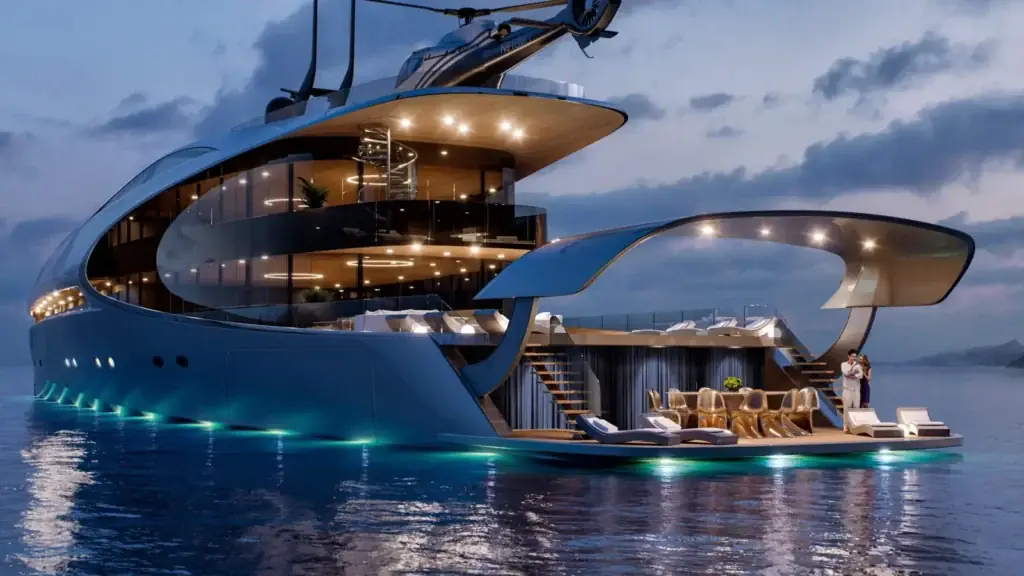
To accurately assess luxury yacht expeditions USA, one must first decouple the marketing terminology from operational realities. In contemporary yachting discourse, the word “expedition” is frequently misapplied to standard displacement vessels conducting conventional coastwise passage. A true expeditionary charter within United States waters involves remote navigation capabilities, specialized tenders, prolonged endurance metrics (including fuel, water, and waste treatment capacities), and an operational mandate centered on exploration rather than port-hopping.
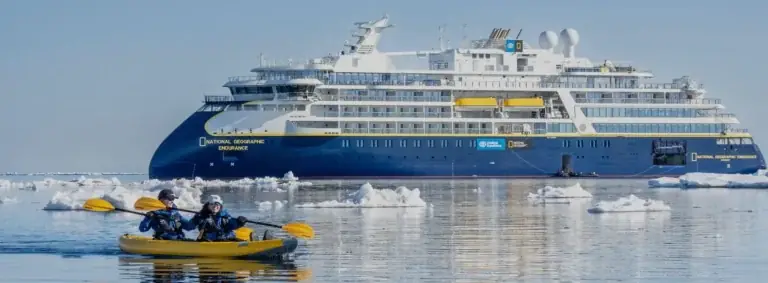
A primary point of confusion lies in the distinction between a traditional superyacht and a purpose-built or refitted explorer vessel (X-Vessel). Traditional motor yachts emphasize exterior deck space, sleek aesthetic profiles, and low draft for shallow anchorage access. Conversely, expedition yachts prioritizing U.S. operational theaters are engineered with ice-class or strengthened hulls, high bow displacement to manage heavy northern seas, redundant mechanical propulsion systems, extended fuel autonomy exceeding 3,000 to 5,000 nautical miles, and dynamic positioning systems (DPS).
Expedition Capability Spectrum
-
Conventional Cruising: Shore power dependent, low draft for shallow waters, and restricted to marina-to-marina itineraries.
-
Explorer-Adapted: Extended fuel reserves, upgraded tenders and gear, with 7–14 days of operational autonomy.
-
Purpose-Built Heavy Expedition: Ice-class rated hull (A1+), self-contained waste management systems, and 30+ days of remote operational range.
Oversimplifying these differences leads to severe operational miscalculations. Equating luxury with onboard amenities alone overlooks critical factors like tender launch capacity in heavy swells, onboard aviation support compliance (FAR Part 91/135 restrictions), and medical evacuation capabilities in remote U.S. zones like the Alaskan panhandle or the outer Hawaiian archipelago. True luxury in an expeditionary context is defined by operational access, safety margin, and seamless execution under challenging environmental conditions.
Deep Contextual Background: The Evolution of American Expedition Chartering
The structural development of maritime exploration in the United States traces a path from scientific research vessels and commercial salvage ships to highly refined, custom-built explorer superyachts. During the mid-20th century, non-commercial vessels operating in remote U.S. territories were predominantly governmental, scientific, or industrial. Hulls built for oceanographic institutions—such as the Woods Hole Oceanographic Institution or Scripps—set the baseline for endurance, sea-keeping ability, and heavy-gear handling.
By the late 1990s and early 2000s, a structural shift occurred within private yachting. High-net-worth individuals began seeking itineraries beyond the saturated cruising grounds of Southern Europe and the Bahamas. This demand coincided with the decommissioning and conversion of commercial offshore supply vessels (OSVs), tugs, and research hulls into private expedition yachts. These early conversions retained industrial sea-keeping qualities while retrofitting guest accommodations, laying the groundwork for modern explorer yacht design.
Parallel to vessel design evolution was the tightening of maritime regulatory regimes in the United States. The passage and enforcement of the Passenger Vessel Services Act (PVSA) of 1886 historically restricted the transportation of passengers between U.S. ports on foreign-flagged vessels. As the modern charter fleet expanded—predominantly under foreign flags of convenience (e.g., Marshall Islands, Cayman Islands)—navigating U.S. expedition itineraries required strict adherence to non-stop foreign port calls, complex cruising permits, or operating under bareboat charter agreements.
Historical Evolution Timeline
-
1886 (PVSA Enacted): Coastwise passenger limitations introduced to protect domestic maritime trade.
-
1970s–1990s (Commercial Conversions): Decommissioned scientific, tug, and offshore supply hulls refitted for private long-range endurance.
-
2000s–Present (Modern Explorer Era): Rise of purpose-built, ice-class explorer superyachts governed by strict environmental codes and advanced zero-discharge systems.
In recent years, environmental regulation within U.S. waters has surged. The implementation of EPA Tier 4 engine emissions standards, strict National Pollutant Discharge Elimination System (NPDES) permits, and MARPOL Annex VI regulations inside the North American Emission Control Area (ECA) have transformed vessel engineering. Contemporary expedition yachts operating in the U.S. must incorporate selective catalytic reduction (SCR) systems, advanced wastewater treatment plants (AWTP), and non-cyanide ballast management systems to operate lawfully in protected ecological zones.
Conceptual Frameworks and Mental Models for Expedition Planning
To navigate the multifaceted requirements of high-end expedition operations, maritime managers, charter brokers, and captains utilize specific analytical frameworks. These mental models prevent systemic planning failures by evaluating operational variables before setting sail.
The Operational Readiness Matrix (ORM)
The ORM evaluates a vessel’s capability against an intended destination’s environmental severity. It balances four primary variables:
-
Hull and Mechanical Autonomy: Fuel burn rates, desalinization capacity, battery bank endurance, and spare parts redundancy.
-
Environmental Severity Index (ESI): Sea state probabilities, ambient water temperatures, tidal ranges, and ice concentration levels.
-
Regulatory & Legal Clearance: Flag state permissions, U.S. Coast Guard compliance, local indigenous territory permits, and environmental discharge allowances.
-
Logistical Reach: Proximity to emergency medical evacuation (MEDEVAC), aviation support access, fuel bunkering infrastructure, and provisioning nodes.
The Capability-to-Risk Envelope (CRE)
The CRE model identifies operational thresholds where vessel capabilities cross into unacceptable risk profiles.
-
Unacceptable Risk Zone: Operating in remote locations with low tender launch capability, or running unsupported aviation in heavy swell conditions.
-
Optimal Operational Zone: Operating with high hull endurance, redundant mechanical systems, and full USCG and ECA environmental compliance.
Limits of the CRE model stem from human over-reliance on static calculations. Unforeseen weather shifts or sudden mechanical degradation can instantly contract the operational envelope, forcing an immediate transition from exploration to mitigation.
Key Categories and Operational Variations of Expeditions
Expedition itineraries across the United States vary considerably based on geography, seasonal weather patterns, and regional regulatory frameworks. The table below delineates the primary operational categories:
| Region / Category | Vessel Requirements | Seasonal Window | Primary Operational Constraint | Regulatory Complexity |
| Southeast Alaska & Aleutians | Ice-strengthened hull, high bow clearance, AWTP, dual tenders | May – September | Dynamic ice conditions, rapid weather decay, extreme tides | High (USCG, Native Tribal Lands, Glacier Bay permits) |
| Pacific Northwest & Puget Sound | Medium displacement, low air draft (bridges), quiet propulsion | Year-round (Peak: June–Sept) | Narrow channels, heavy marine traffic, tidal rapids | Moderate (US/Canada border protocols, San Juan protection zones) |
| Maine & New England Coastline | Traditional or modern displacement, stabilization systems | July – September | Fog bank density, dense lobster pot fields, shallow bays | Moderate (State-specific discharge rules, whale migration zones) |
| Florida Keys & Everglades | Shallow draft (< 6 feet), dynamic positioning, jet tenders | November – April | Coral reef preservation, strict draft limits, sanctuary zones | High (Florida Keys National Marine Sanctuary limits) |
| Pacific Remote Islands & Hawaii | Long-range autonomy (>4,000nm), high-capacity watermakers | November – April | Extreme offshore distances, open ocean swells, limited fuel stops | Very High (Papahānaumokuākea monument rules, open-ocean rescue) |
Decision Logic for Vessel Selection
Selecting the appropriate vessel configuration for these regions depends on clear decision criteria rather than purely aesthetic preferences:
-
High Latitude / Remote Destinations (e.g., Alaska / Aleutians):
-
Deep Draft Permitted: Ice-Class Steel Hull with high endurance range.
-
Ice Capability Required: A1+ rated hull fitted with heavy gear davits and dual tenders.
-
-
Shallow / Reef Destinations (e.g., Florida Keys / Everglades):
-
Draft Limited (< 6 Feet): Catamaran or shallow displacement expedition yacht.
-
Station Holding Required: Equipped with Dynamic Positioning Systems (DPS) and zero-discharge AWTP.
-
Detailed Real-World Scenarios
To understand how operational variables intersect in practice, consider the following detailed scenarios across distinct U.S. operational environments.
Southeast Alaska Tidewater Glacier Navigation
-
Operational Setting: Tracy Arm-Fords Terror Wilderness area during early summer.
-
Core Constraints: Dense growler and bergy bit ice fields, rapid tidal swings exceeding 20 feet, restricted VHF communications within narrow fjords, strict National Park Service and U.S. Forest Service permitting limits.
-
Decision Sequence: The captain establishes a rolling watch system with dedicated ice scouts on the bow forward of the bridge. The chief engineer shifts fuel management to internal wing tanks to optimize stability and trim. Tender operations are restricted to daytime hours, requiring twin-engine tenders with reinforced aluminum hulls.
-
Failure Mode & Mitigation: Floating glacial ice blocks the primary exit passage while the vessel is anchored near the tidewater face. The crew uses forward-looking sonar (FLS) to navigate a secondary route through shallow, poorly charted moraine channels at high slack water, avoiding bow damage.
Maine Coast Fog Bank Navigation and Gear Entanglement
-
Operational Setting: Penobscot Bay during August peak conditions.
-
Core Constraints: Zero-visibility fog banks occurring within minutes, high concentration of commercial lobster pot buoys and submerged lines, narrow granite ledges.
-
Decision Sequence: The vessel activates dual X-band and S-band radar arrays, setting automated target tracking (MARPA) boundaries. Speed is reduced to safe navigation minimums (6–8 knots). Main propulsion systems are kept on direct bridge control, and line cutters on propeller shafts are inspected prior to passage.
-
Failure Mode & Mitigation: A submerged pot line entangles the starboard running gear, stalling the main engine in a narrow channel. Dynamic Positioning (DPS) is engaged immediately using the bow and stern thrusters to hold station without dropping anchor on fragile seabed ecosystems, allowing the ship’s diver to clear the fouled propeller.
Planning, Cost, and Resource Dynamics
The economic structure of running high-end expedition operations within U.S. waters differs significantly from conventional chartering.
Operational Cost Allocation Breakdown
-
Base Vessel Charter / Capital Cost: ~45% of total budget.
-
Fuel & Lubricants (ECA Compliant): ~20% of total budget.
-
Permitting, Pilotage & Legal Clearance: ~10% of total budget.
-
Specialized Crew & Local Guides: ~10% of total budget.
-
Logistics, Provisions & Freight: ~8% of total budget.
-
Insurance & Risk Surcharges: ~7% of total budget.
Direct and Indirect Financial Estimates
| Cost Category | Estimated Range (USD per Week / Event) | Key Drivers and Variability Factors |
| Base Charter Fee (100–180ft Explorer) | $120,000 – $350,000 | Vessel age, ice-class rating, onboard aviation, crew size |
| Advanced Provisioning Allowance (APA) | 30% – 45% of Base Charter Fee | High fuel consumption, remote provisioning air-freight costs |
| Specialized Pilotage & Local Guides | $2,500 – $7,000 / week | Mandatory pilots for specific channels, naturalist guides |
| Environmental & Regional Permits | $1,000 – $15,000 / itinerary | National park commercial access fees, indigenous land usage |
| Offshore Marine Insurance Riders | $5,000 – $20,000 / operational period | High-latitude coverage, hull damage deductibles, SAR riders |
Tools, Strategies, and Support Systems
Executing complex charters in remote U.S. marine zones requires specialized hardware, real-time software analytics, and trained personnel working as an integrated system.
Integrated Expedition Architecture
-
Hardware Systems: Forward-Looking Sonar (FLS), heavy-duty aluminum tenders, onboard AWTP, and SCR emissions filtration.
-
Software & Data: High-resolution bathymetry datasets, real-time ECDIS mapping systems, satellite imagery, and ice-tracking feeds.
-
Support & Personnel: Certified expedition ice pilots, marine naturalists, marine biologists, and specialized wilderness EMTs or physicians.
Key Operational Tools
-
Forward-Looking Sonar (FLS): Essential for navigating poorly charted glacial fjords or shallow reef passages where bathymetric data may be outdated by decades.
-
Advanced Wastewater Treatment Plants (AWTP): Allow continuous compliance inside strict zero-discharge zones like national marine sanctuaries and state waters.
-
Dual Satellite Communications (Starlink Fleet + Iridium Certus): Provide high-bandwidth operational monitoring alongside fail-safe low-bandwidth voice/data links for weather downloads and medical support.
-
Heavy-Duty Rigid Inflatable Boats (RIBs): Commercial-grade, twin-engine RIBs equipped with independent navigation packages permit safe shore landings on rocky coasts.
-
Onboard Medical & Hyperbaric Suites: Specialized equipment packages curated for remote operational zones where coast guard MEDEVAC response times may exceed six to twelve hours.
Risk Landscape and Failure Modes
Operating in remote U.S. waters carries operational hazards that require systematic risk mitigation.
Compounding Failure Chain
-
Initial Mechanical Failure: Engine cooling line becomes clogged by organic marine debris.
-
Loss of Primary Maneuver: Vessel loses main propulsion and begins drifting in heavy swells.
-
Secondary Environmental Impact: Vessel drifts toward protected granite shoals or fragile coral reefs.
-
Systemic Escalation: Severe structural hull breach accompanied by regulatory fines and ecological restoration liabilities.
Risk Taxonomy
-
Regulatory Non-Compliance: Unintentional violation of the PVSA, failure to secure regional permits, or illegal discharge within marine sanctuaries. Consequences include severe financial penalties, vessel seizure, or loss of charter licenses.
-
Environmental Degradation: Hull collisions with marine mammals (e.g., North Atlantic right whales or Pacific humpbacks) inside protected speed-restriction zones.
-
Supply Chain Breakdown: Inability to secure ECA-compliant Ultra-Low Sulfur Diesel (ULSD) or specialized provisions in remote Alaskan or Pacific island ports, forcing early itinerary termination.
-
Medical Emergencies in Remote Zones: Severe illness or injury occurring hundreds of nautical miles from a Level 1 trauma center, complicated by weather conditions that ground rotary-wing aircraft.
Governance, Maintenance, and Long-Term Adaptation
Maintaining an expedition vessel operating in U.S. waters requires continuous structural and operational management. Vessels must adapt to evolving statutory environments and physical wear.
Annual Compliance & Review Cycle
-
Q1 (Winter Refit): Main engine SCR catalytic overhaul, AWTP system recertifications, and structural hull integrity checks.
-
Q2 (USCG & Class Inspection): Annual USCG safety inspections, life-saving appliance audits, and class surveyor reviews.
-
Q3 (Shakedown & Operations): Comprehensive system testing, remote region drills, and operational deployment.
-
Q4 (Post-Expedition Debrief): Evaluation of logistical bottlenecks, updating regional route maps, and long-term maintenance planning.
Operational Checklist for Remote Expedition Deployment
-
Verify foreign vessel cruising license or coastwise trade clearance with U.S. Customs and Border Protection (CBP).
-
Confirm compliance with EPA Tier 3/4 standards and maintain full fuel transfer logs for ECA zones.
-
Inspect and service dynamic positioning (DPS) and forward-looking sonar systems.
-
Audit onboard medical inventory; ensure valid contract with remote emergency medical advisory services.
-
Secure all regional commercial access permits (National Parks, Tribal Land authorities, Marine Sanctuaries).
-
Conduct comprehensive crew drills focusing on heavy-weather tender operations, cold-water immersion response, and line-handling in high-current zones.
Measurement, Tracking, and Evaluation
Evaluating the success of an expeditionary operation requires tracking quantitative operational metrics alongside qualitative guest and environmental outcomes.
Operational Metrics Matrix
-
Leading Indicators:
-
Pre-voyage equipment uptime and redundancy checks.
-
Fuel burn efficiency ratios against planned distance.
-
Permit approval lead times and regulatory filings.
-
Crew certification levels in specialized ice/marine rescue protocols.
-
-
Lagging Indicators:
-
Unplanned mechanical maintenance hours during transit.
-
Total fuel expenditure vs. Advanced Provisioning Allowance (APA).
-
Zero-discharge environmental compliance audit logs.
-
Overall guest itinerary completion percentage.
-
Documentation and Logging Practices
A professional expedition vessel maintains rigorous operational logs that serve both legal and maintenance functions:
-
Environmental Discharge Records: Detailed tracking of blackwater treatment, oily water separator (OWS) usage, and garbage management logs for USCG and MARPOL inspection.
-
Bridge Operations Log: Real-time recording of weather transitions, ice densities, speed restrictions observed in whale protection zones, and tender deployment conditions.
-
After-Action Itinerary Reports: Post-expedition evaluations documenting anchorage quality, tender landing safety, local guide performance, and resource availability for future planning.
Common Misconceptions and Oversimplifications
-
Misconception 1: Any large superyacht can execute an expedition in Alaska or remote U.S. regions.
-
Correction: Large size does not confer expedition capability. A 200-foot fiberglass yacht with a shallow draft and minimal bow height may be ill-suited for the sea states and floating ice of high northern latitudes compared to a smaller, steel-hulled explorer vessel.
-
-
Misconception 2: Expedition charters offer the same predictable schedules as Mediterranean cruises.
-
Correction: Weather, ice, and wildlife movements dictate expedition timelines. Rigid itineraries in remote U.S. zones frequently fail; flexibility is an operational necessity.
-
-
Misconception 3: Foreign-flagged yachts can pick up and drop off charter guests at any U.S. port freely.
-
Correction: The Passenger Vessel Services Act (PVSA) strictly regulates coastwise transport. Foreign-flagged yachts face clear constraints regarding embarkation, disembarkation, and foreign port stop requirements.
-
-
Misconception 4: High-speed cruising is desirable during an expedition.
-
Correction: Expedition cruising prioritizes fuel economy, range, quiet underwater noise profiles (to minimize marine life disruption), and safe navigation through hazards over speed.
-
-
Misconception 5: Modern satellite technology eliminates the risks of navigating remote U.S. coastlines.
-
Correction: Satellite imagery does not replace real-time localized weather monitoring, forward-looking sonar, and experienced ice pilots. Poorly charted underwater hazards remain a reality in high-latitude regions.
-
Ethical, Practical, and Environmental Considerations
Expedition operations in U.S. marine wilderness areas carry significant stewardship obligations. Operating in proximity to fragile marine ecosystems—such as Alaska’s tidewater glaciers, the coral reefs of the Florida Keys, or the humpback whale breeding grounds of Hawaii—demands operational restraint.
Triple-Bottom-Line Expedition Model
-
Ecological Integrity: Enforcing zero-discharge waste policies, maintaining low acoustic underwater footprints, and observing safe distance buffers from marine wildlife.
-
Regulatory Compliance: Adhering strictly to PVSA and Customs and Border Protection rules, national park commercial permits, and sanctuary protection zones.
-
Cultural Respect: Consulting with local indigenous land management authorities and directly supporting regional coastal economies and local guides.
Vessel captains and expedition leaders are increasingly adopting low-impact operational practices:
-
Acoustic Management: Reducing engine and generator vibration to limit low-frequency underwater noise pollution, which interferes with marine mammal communication.
-
Ecosystem-First Anchoring: Utilizing dynamic positioning systems rather than dropping heavy anchors on delicate seabed habitats, cold-water corals, or eelgrass beds.
-
Local Community Engagement: Sourcing provisions, specialized guides, and supporting services directly from remote coastal communities, ensuring that expeditionary presence provides tangible economic support to coastal regions.
Conclusion
Executing a successful luxury yacht expedition in United States waters requires balancing high-end hospitality with rigorous maritime discipline. As interest in non-traditional cruising grounds grows, the distinction between surface-level luxury and true expedition capability becomes ever more essential.
Long-term success in this specialized sector relies on continuous adaptation—understanding regional weather dynamics, respecting environmental and legal frameworks, selecting fit-for-purpose hull architectures, and maintaining realistic operational expectations. When approached with thorough planning, respect for marine environments, and analytical rigor, luxury yacht expeditions represent rewarding intersections of modern seamanship and wilderness exploration.